
Teaching Blog
Piano learning resources — practice tips, stage performance guidance, and companion advice for parents
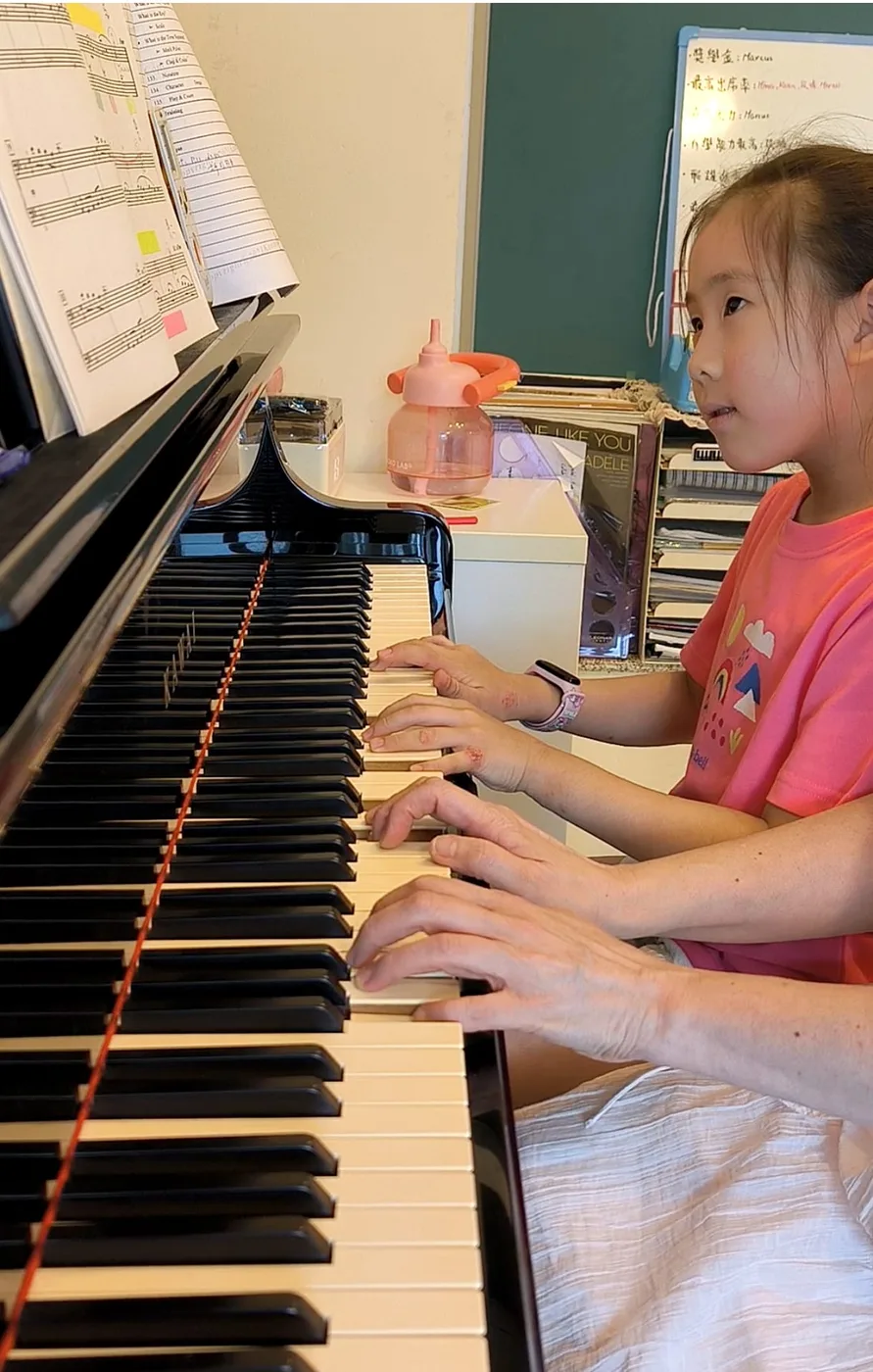
Starting Music Young: A Solid Foundation Matters More Than Rushing to Play Songs
Many children start piano early, and after a while seem able to play a few pieces — yet the foundation is shaky and motivation fades. At the starting stage, building a solid base matters far more than rushing to play songs. This article looks at a common pitfall, how a music assessment helps, with a real case and a parent's account.
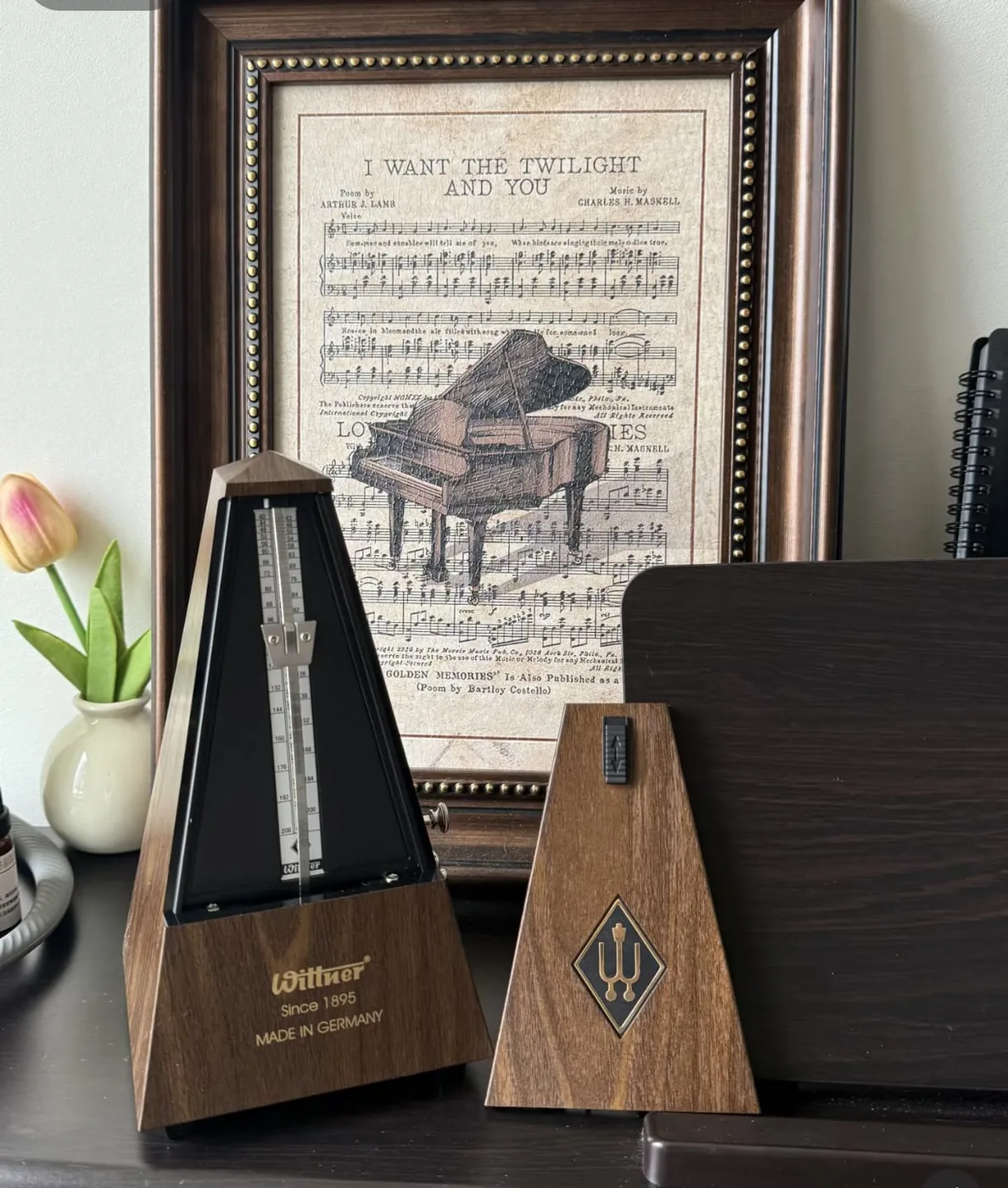
How to Use a Metronome: A Practice Method for Steady Rhythm
Many children rarely, if ever, practise with a metronome, leaving weak tempo control and a piece that speeds up and slows down. This article unpacks how to use a metronome properly, offers five practical methods, and looks at keeping a steady tempo while shaping dynamics.
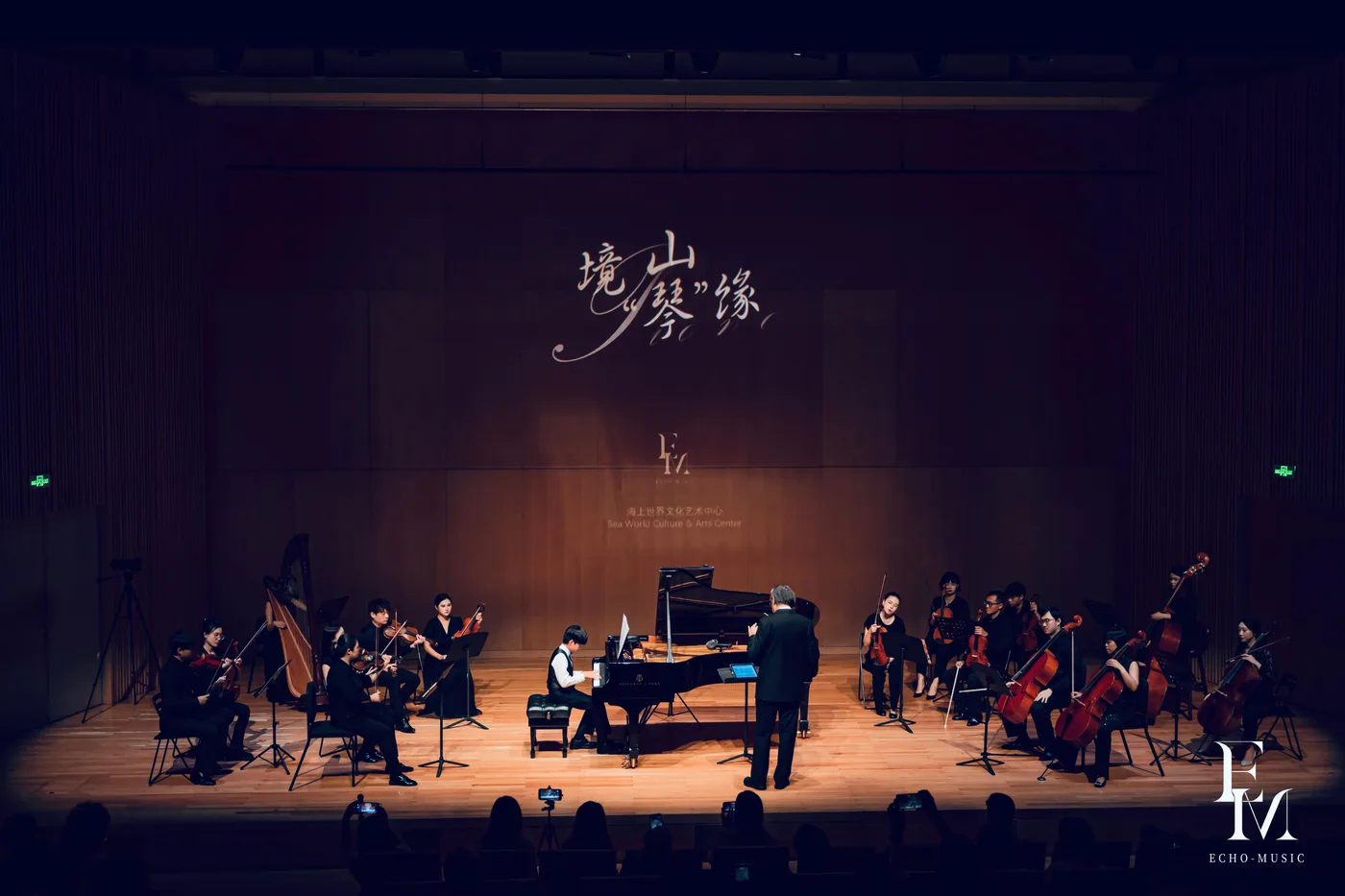
From “Playing the Notes” to “Performing”: How to Build Interpretation
Many children think that playing the notes correctly, without mistakes, equals a performance. But “playing the notes” and truly “performing” are two different things. A performance is made of interpretation and execution — neither can be missing. This article unpacks the difference and offers practical steps to build interpretation.
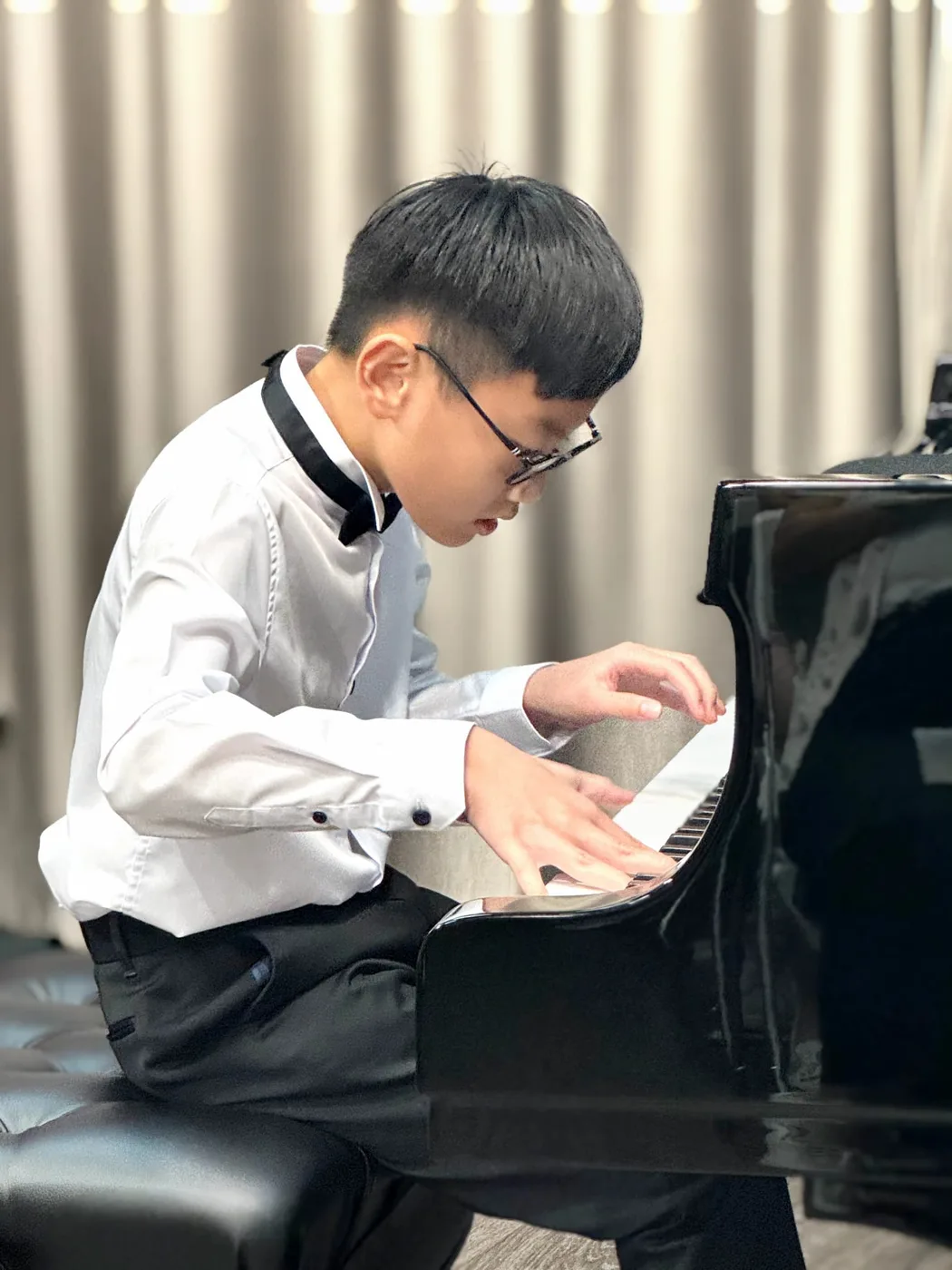
Is Your Left Hand Always Weaker Than the Right? Training the Bass Line
Many learners long believe the left hand is only “accompaniment,” overlooking the tone and layers of its chords. As pieces get harder, a weak left-hand base surfaces. From two cores — technique and listening — this article looks at strengthening the left hand and bass line for balanced, coordinated tone.

Three Months of Music-Teaching Notes: The Core Points Easily Overlooked in Learning Music
Over the past three months, a series of professional music-teaching notes. This retrospective revisits the core points shared over this time yet most easily overlooked — from technique and performance to parent–child dynamics and teacher growth — so parents, students and teachers can each find something useful.

Back to School: How to Set Piano Goals for the New School Year
As the new school year begins, Hong Kong students' after-school hours fill up fast, leaving limited time for practice. How do you set realistic piano goals for the year? This article starts from a three-way conversation between parent, student and teacher, on planning around real available time while keeping a well-rounded musical foundation.

How Do Piano Teachers Keep Developing and Improving?
Earning a performance diploma is not the end of learning music; for a piano teacher, a qualification is only the start of a teaching career. This article looks at how piano teachers keep developing across five dimensions: performing ability, teaching method, breadth of musical knowledge, child and music psychology, and teaching reflection.

Choosing Competition Repertoire: Five Keys to the Right Piece for a Student
Choosing a competition piece isn't only about how popular or how hard it is. A good competition work must consider five things at once: the student's character, how much they like it, technical load, musical colour and learning growth. This article unpacks the five keys, so a student can shine and also grow.

When a Child Won't Perform on Stage: How Can Parents Guide Them?
Many parents have met this: a child plays well in practice, but hearing about a stage or competition, turns nervous and resistant, even unwilling to take part. A child unwilling to perform isn't timid. This article offers six gentle directions for parents to help a child build security and slowly gather stage experience.

When a Student Plateaus: Is It Talent, or Method?
A child has learned for a while, even reached intermediate level, yet progress stalls with no breakthrough — and many parents' first thought is a lack of talent. From thirty years of teaching, true talent-caused plateaus are rare. This article unpacks the role of talent, and the common method problems and non-technical factors behind a plateau.

A String-Ensemble Challenge With No Rehearsal: Stepping Out of the Studio to Broaden Horizons
This time I led six students to Shenzhen for a string-ensemble challenge with no group rehearsal — called by name, they had to walk straight on stage and complete a whole piece with fifteen professional string players. Learning music is not only playing the right notes, but learning to listen, to be brave, to respond in the moment and to collaborate. This experience beyond the studio is rarer than any mark or certificate.
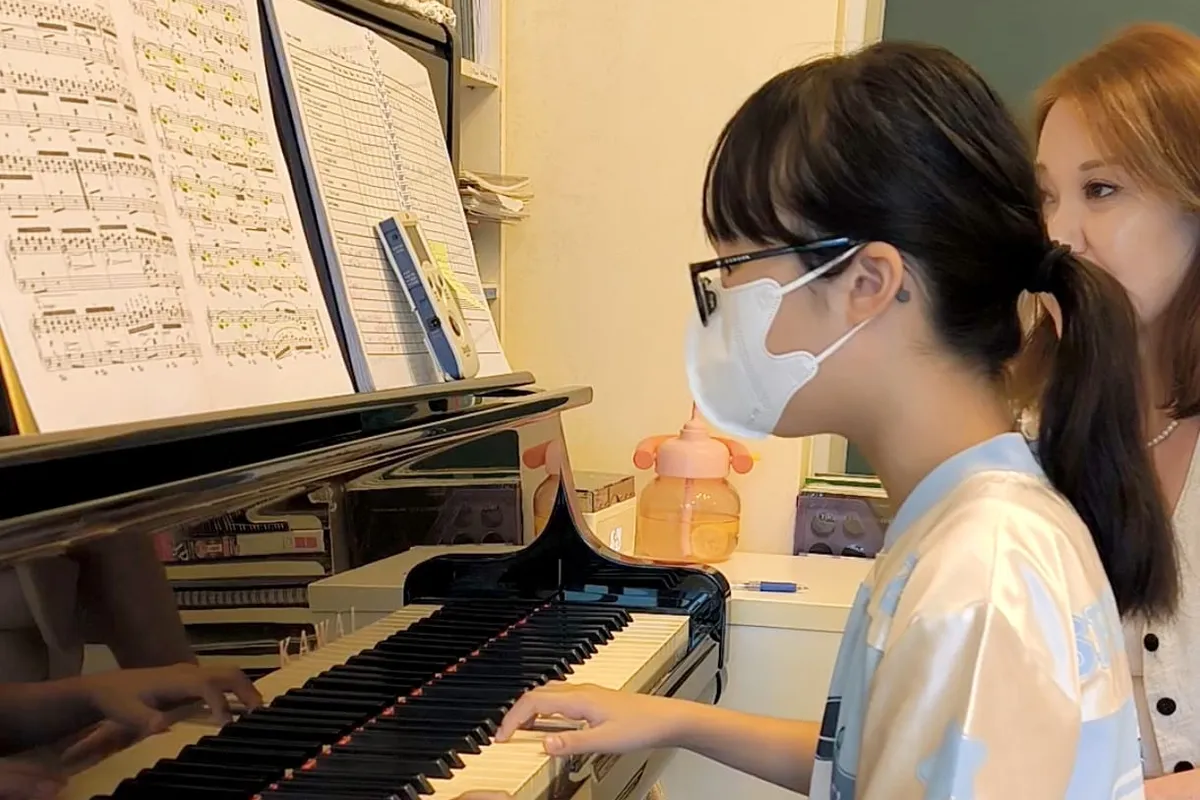
When to Change Piano Teacher: How to Judge, and How to Transition Smoothly
After settling on a piano teacher, as learning progresses some parents begin to wonder whether the current teacher still suits their child. Changing teacher is a decision to weigh carefully. This article looks at when it's worth considering a change — through the lens of learning needs and stage — and how to transition without a break in learning.
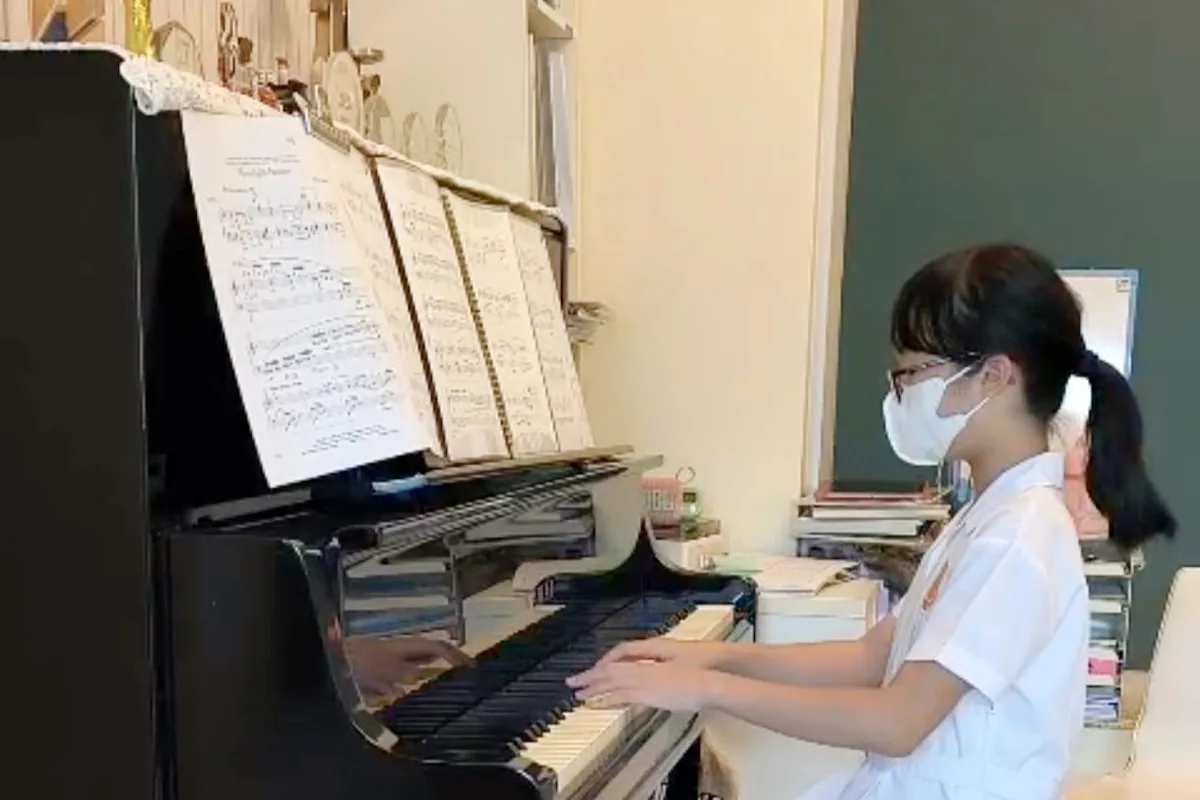
Your Child Seems Stuck at Piano? Unpacking the Possible Causes and How to Adjust
“They've learned for a while, but my child doesn't seem to be making progress” — a common parental worry. But “no progress” is a vague feeling that needs unpacking. Through practice method, focus, repertoire, expectations and developmental stage, this article looks at the possible causes and how to adjust.
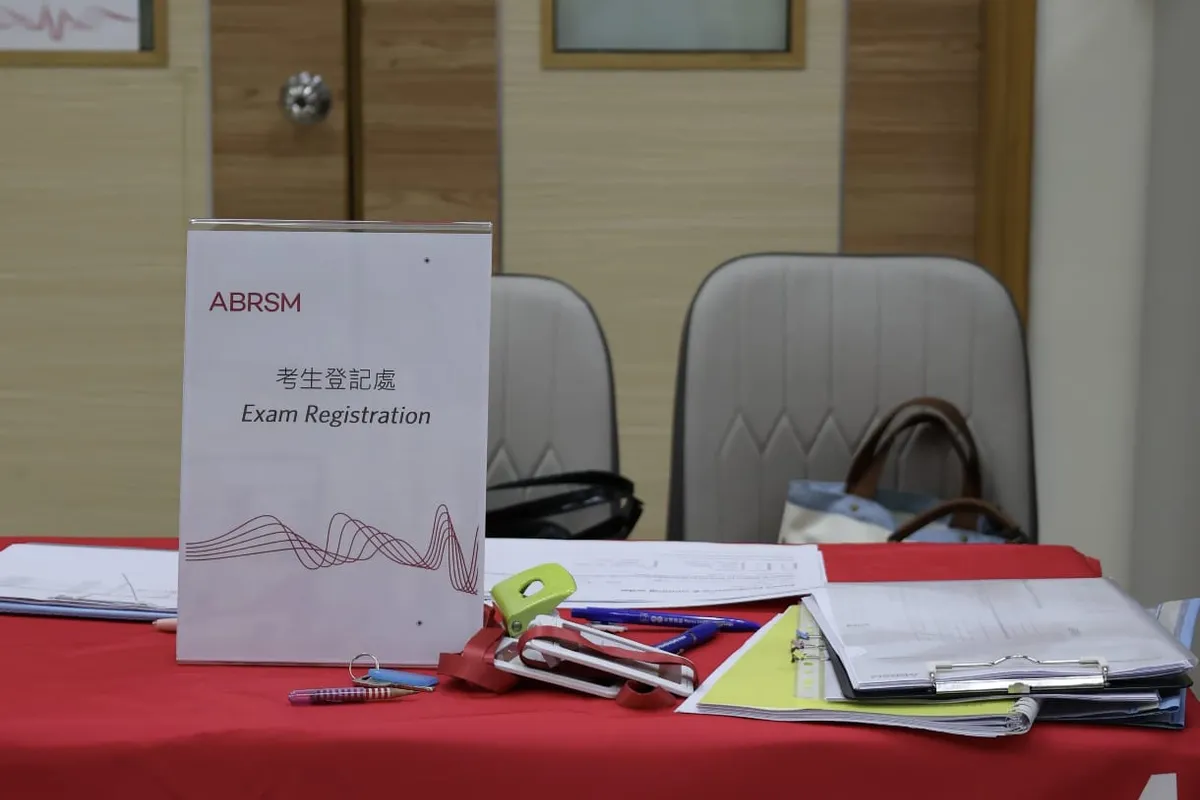
Do You Have to Take ABRSM Exams to Learn Piano? Two Paths: With and Without Grades
In Hong Kong, many parents meet the same question when their child learns piano: do you have to take ABRSM grade exams? In fact, taking grades or not are two paths, each with pros and cons, and neither is absolutely right or wrong. This article neutrally unpacks both, to help parents choose by the child's goals and needs.
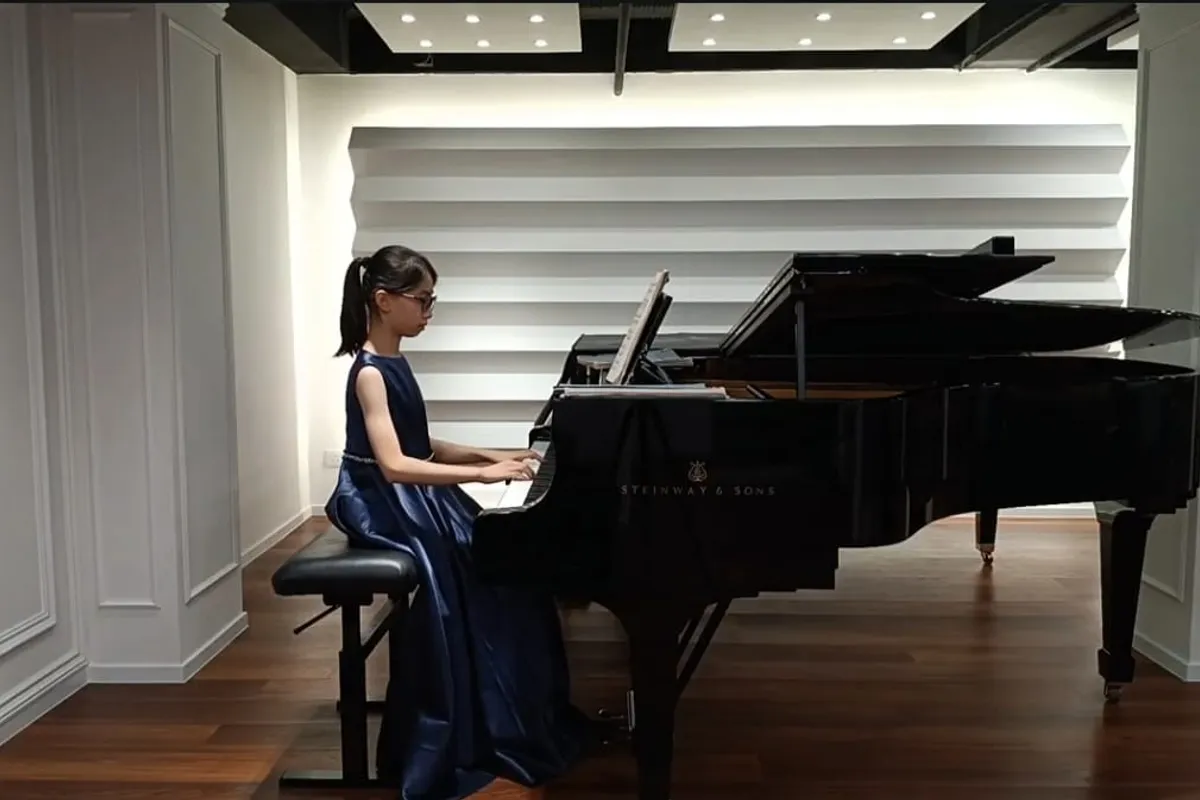
From Merit to Distinction: The Difference in Ability Behind ABRSM's Higher Marks
Students who earn an ABRSM Merit often wonder what separates them from a Distinction. In practical grade exams the total is 150 marks: Pass 100, Merit 120, Distinction 130, and you needn't pass every section. Marks are only the result; behind them lies a difference in ability. This article unpacks what truly sets Merit and Distinction apart.
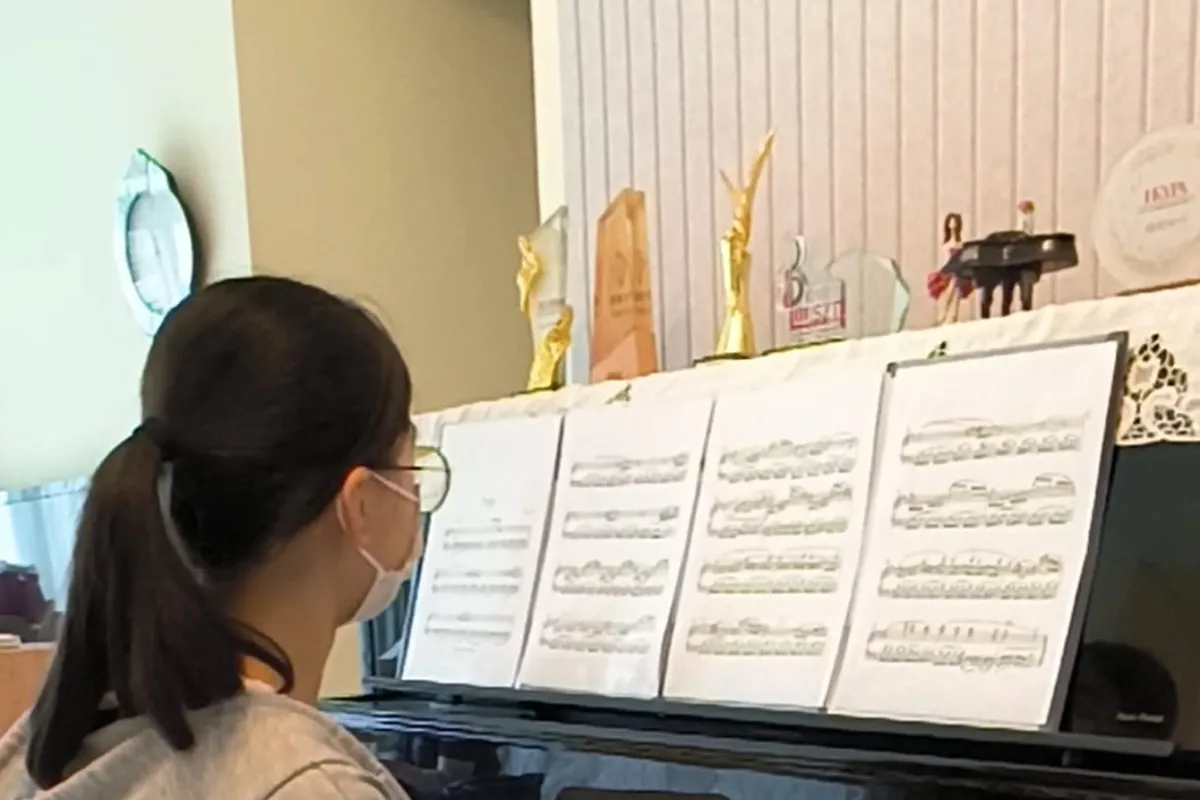
Always Getting Stuck Playing Hands Together? A Practice Direction for Coordination
For many beginners, each hand is fine alone, but putting them together keeps getting stuck — a very common hurdle in learning piano. Coordination isn't forced through by “playing it more times”; there's a method. This article unpacks the common causes and offers a step-by-step practice direction.
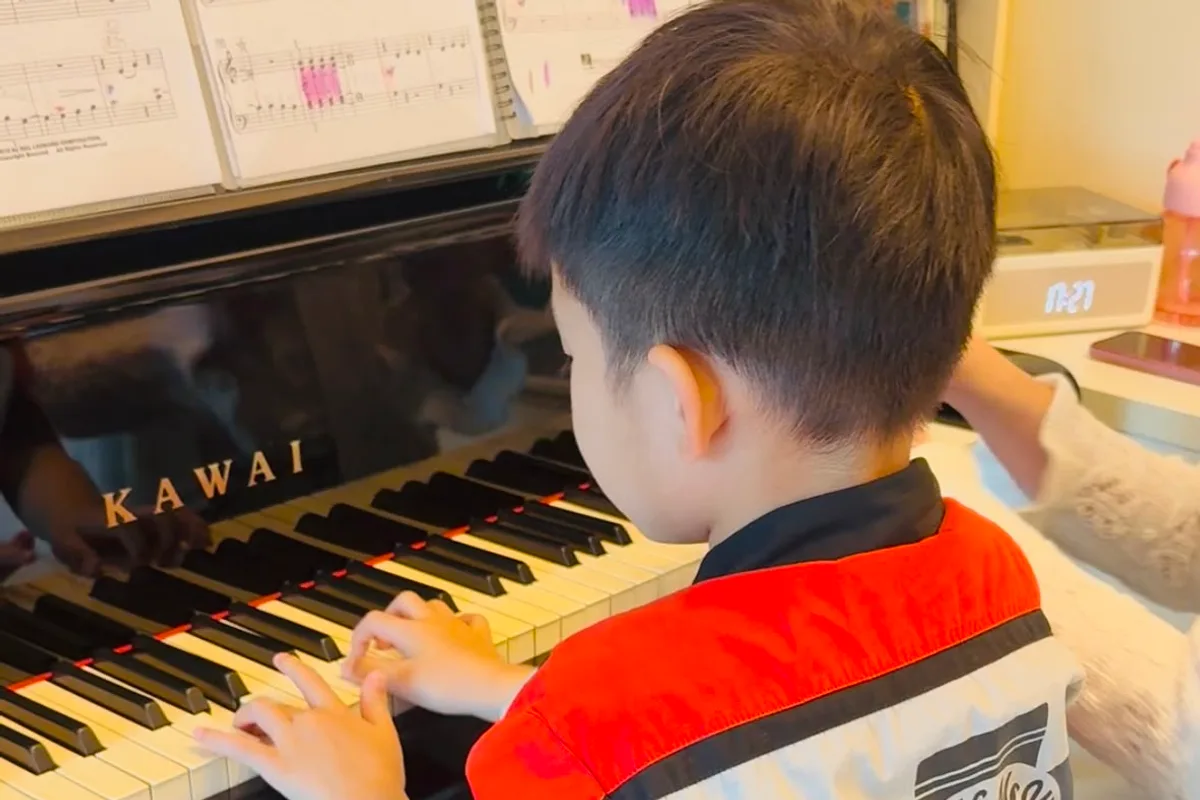
You Don't Play Piano? You Can Still Support Practice|A K3 Parent's Real Diary
Many parents worry that because they don't read music or know theory, they aren't qualified to sit with their child during practice. In fact, at the K3 stage, supporting practice is about keeping the habit, easing emotions and building a rhythm — not correcting technique. This post shares one K3 parent's real practice diary, so those without a music background can support with confidence.
An ABRSM Examinations Interpreter: Common Ways to Lose Marks, and What Matters More Than the Exam
As an ABRSM examinations interpreter with 30 years of teaching experience, I've seen many candidates lose marks by overlooking details. This article gathers a few common ways to lose marks in an ABRSM exam and how to improve them — and looks at the musical abilities that, beyond the exam, matter even more.
After Passing a Grade, When Can You Move Up to the Next?
After passing an ABRSM grade, when can you move up? Moving up is not about the exam score, but whether a student's all-round ability is ready. This article unpacks the conditions and abilities for moving up, with a real case, to help parents and students view the pace sensibly.
As Children Reach the Senior Years and the Advanced Grades: A Piano Teacher's Challenges
As children move into the senior primary and early secondary years, and at the same time into ABRSM Grades 5–8, it is both a growth milestone for the child and a pressured time for the piano teacher. From a teacher's perspective, this article honestly shares the challenges of teaching senior and adolescent students, with warm words for students, parents and fellow teachers.
Why Listen to Different Recordings of the Same Piece?
Many students practise a piece fixed on a single reference recording, playing the notes identically yet with no life in the performance. In fact, listening to different recordings of the same piece is a crucial step in learning. From breaking the template to telling apart feeling, and building a personal style, this article looks at the value of listening widely.

Hong Kong Schools Music Festival Piano Guide: Entry, Repertoire & Preparation
Each autumn, as entries open for the Hong Kong Schools Music Festival, parents and students start planning for the piano classes: how to enter, how to choose repertoire, what to prepare. This article covers entry essentials, repertoire thinking and preparation direction for the piano classes.
Piano Posture and Relaxation: Avoiding Wrist, Neck and Shoulder Tension
After a long practice, some students feel a sore wrist or a tight neck and shoulders — often to do with posture and relaxation. Playing looks like just finger movement, but it involves the whole arm, back and posture. This article shares the basic principles of piano posture, to help students play in a more relaxed, natural state.
A New School Year: How to Balance Schoolwork and Piano Practice
Every new school year, one of parents' biggest worries is whether a child, amid a busy academic load, can still keep up the piano. In truth, schoolwork and practice are not a zero-sum game — the key is not how much time, but how to arrange it sustainably. This article shares practical directions for balancing the two.
What Do Examiners Listen For? ABRSM Piano Marking Criteria Explained
“How can we do well in a piano exam?” To understand this, it helps to know what the examiner is listening for. ABRSM marking follows clear criteria, assessing a performance across several defined dimensions. Drawing on the official criteria, this article unpacks what an examiner values when assessing a piece.
Overcoming Stage Fright: Preparing the Mindset Before a Piano Exam or Competition
Play it perfectly at home, then freeze on stage with sweaty palms and a blank mind? Stage nerves are something almost every performer meets. From understanding nerves, mental rehearsal, breathing and building performance experience, this article shares how to prepare the mindset before a piano exam or competition, helping students turn nerves into focus and face the stage with more ease.
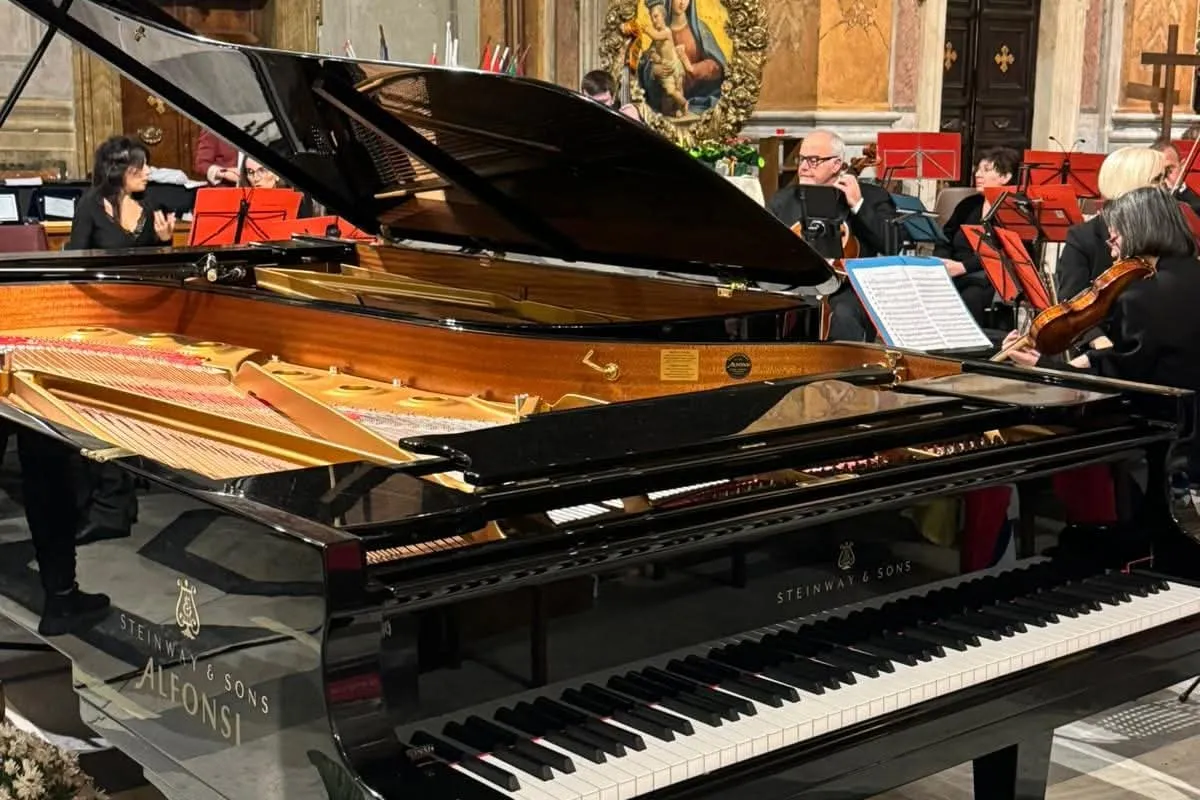
Piano Pedals for Beginners: More Than “When to Press and When to Release”
What do the three pedals under the piano actually do? Why do teachers say “pedal with your ears”? The pedal looks like just a foot movement, but it is really training in listening and coordination. From the three pedals' functions to legato pedalling and common mistakes, this article helps you understand the musical logic behind the pedal, not just memorise “when to press and when to release.”
How to Memorise Piano Music Effectively: Don't Rely on Finger Muscle Memory Alone
Go blank on stage, fingers stuck? The problem often lies in memorising by finger muscle memory alone. Reliable memorisation combines aural, visual, structural and analytical memory. This article shares effective ways to memorise, helping students hold it more securely and play with more peace of mind.
Scales and Arpeggios: Why Practise Them, and How to Make Them Meaningful
Scales and arpeggios are often seen by students as a dull “routine,” but they are in fact an important foundation for understanding tonality and training the fingers and the ear. This article explains why to practise scales and arpeggios, and how to make the practice meaningful rather than mechanical repetition.

The Grade 5 Theory Prerequisite: The Gate to Clear Before ABRSM Grades 6–8
Preparing for ABRSM Grade 6 piano, only to find you can't book the exam? Before entering an ABRSM Grade 6–8 Practical or Performance exam, you must first hold Grade 5 Music Theory (or an equivalent). Drawing on official ABRSM regulations, this article explains what the Grade 5 theory prerequisite is, which alternatives count, and why this gate actually helps your playing.
ABRSM or Trinity? How to Choose Between the Two Piano Exam Boards
Want your child to take graded piano, but can't decide between ABRSM and Trinity College London? Both are recognised in Hong Kong, yet they differ in exam structure, compulsory components and the theory prerequisite. This article compares the two boards neutrally, to help parents choose by their child's temperament and goals.
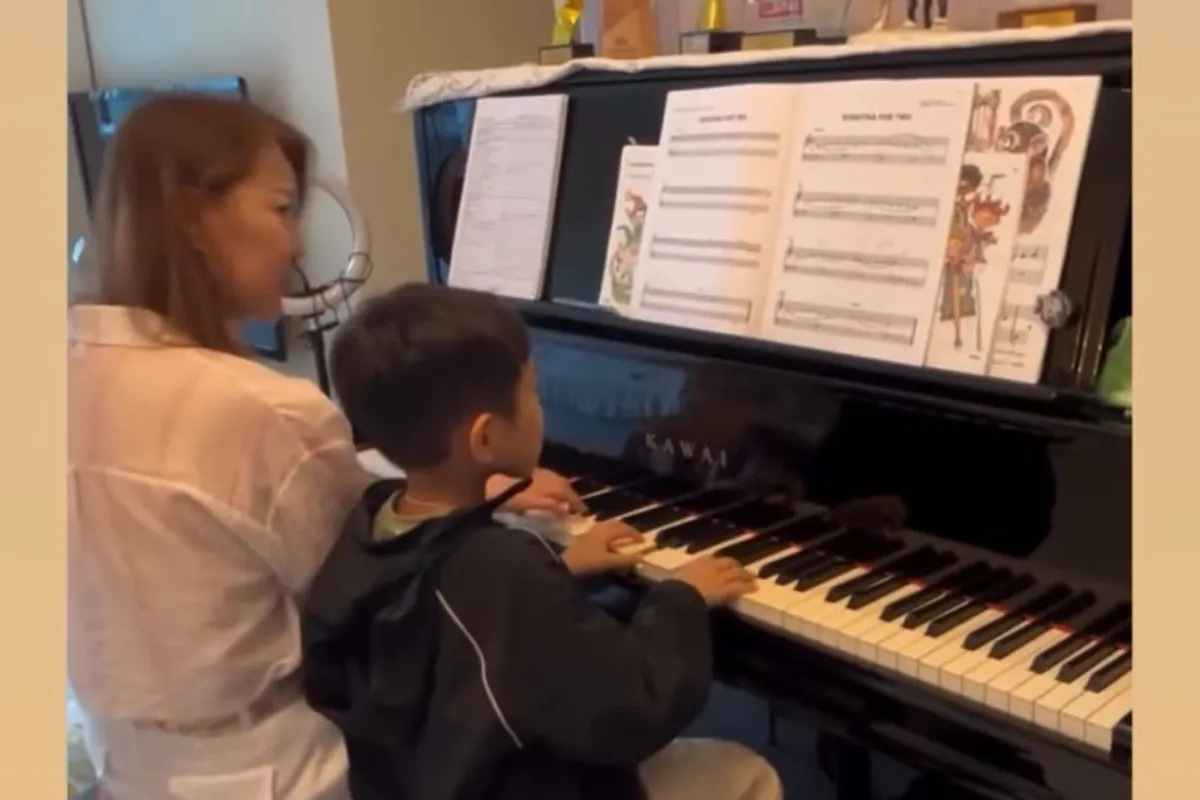
A Parent's Guide to Practice: How to Support, Without Turning It Into Nagging
When a child practises, how much should a parent be involved? Too much becomes nagging and dependence; hands-off, and practice turns careless. From the angle of support rather than micromanagement, this article shares practical principles for accompanying a child's practice — encourage before correcting, build habits, use recordings — so practice becomes a source of support, not pressure.
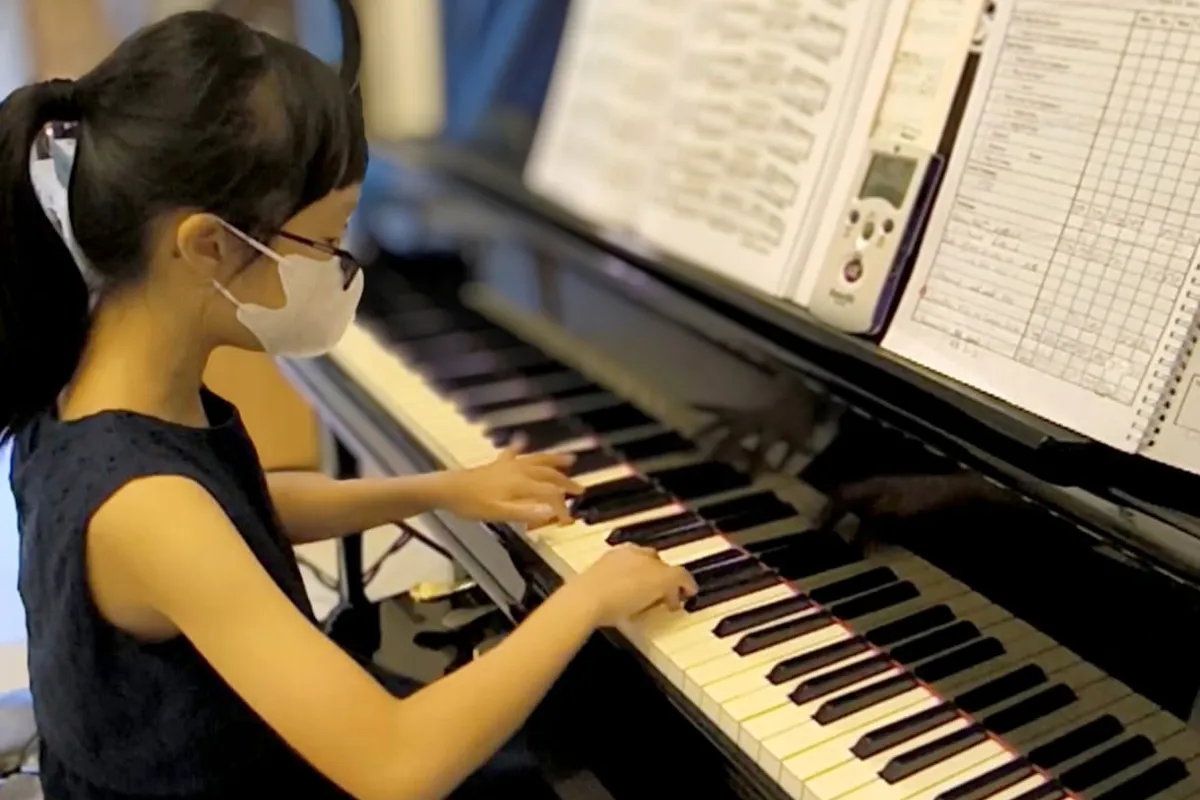
Early Childhood Piano: How Parents Can Prepare and Support
When a young child first meets the piano, how can parents prepare and support? At the beginner stage, what matters is often not “playing a lot,” but building a sense of rhythm, listening and an interest in music. From a child-development angle, this article shares what early learning involves and how parents can create a positive musical environment, so a child forms a lasting bond with music.
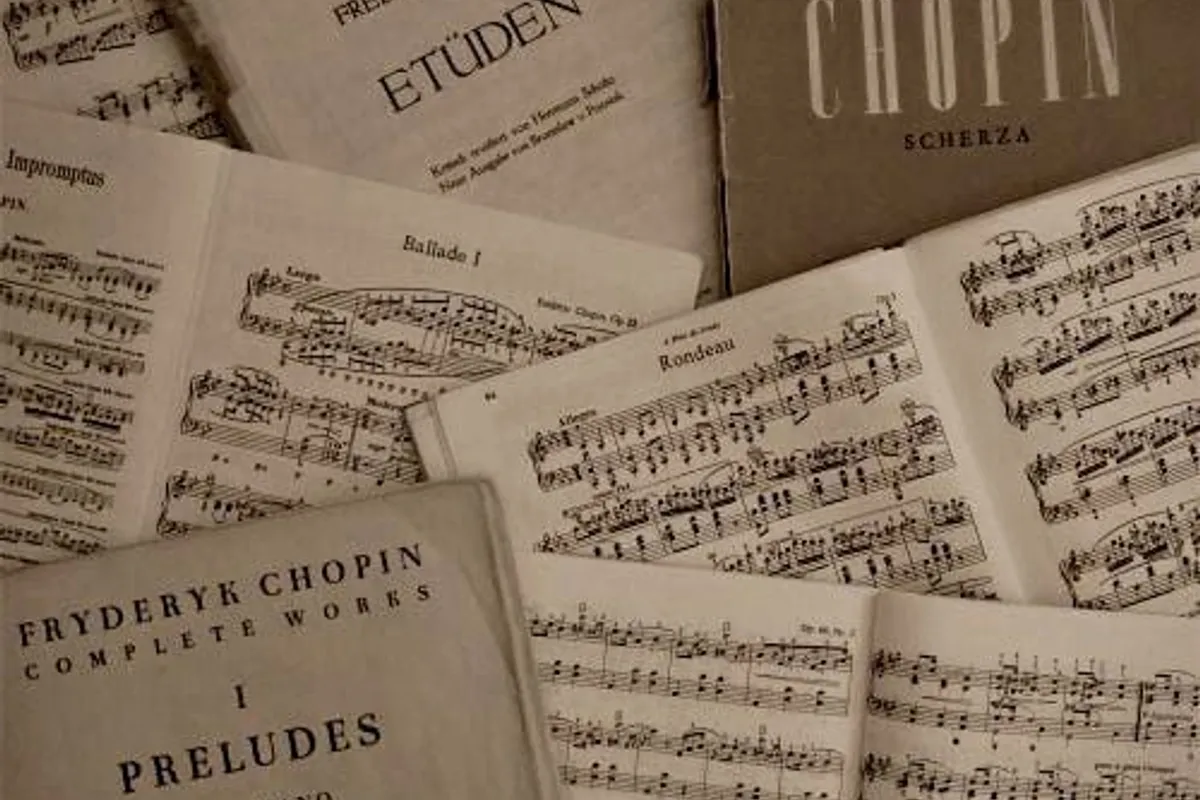
A Systematic Practice Self-Check for Pieces: From Setting the Style to the Pedal
Practising is not just playing the notes from start to finish. This article offers a systematic self-check for practising a piece — from the macro level of tempo, character and tone colour, down to phrasing and breathing, the lines of each hand, voice balance and pedalling — to help students build a clear practice goal and leave aimless repetition behind.
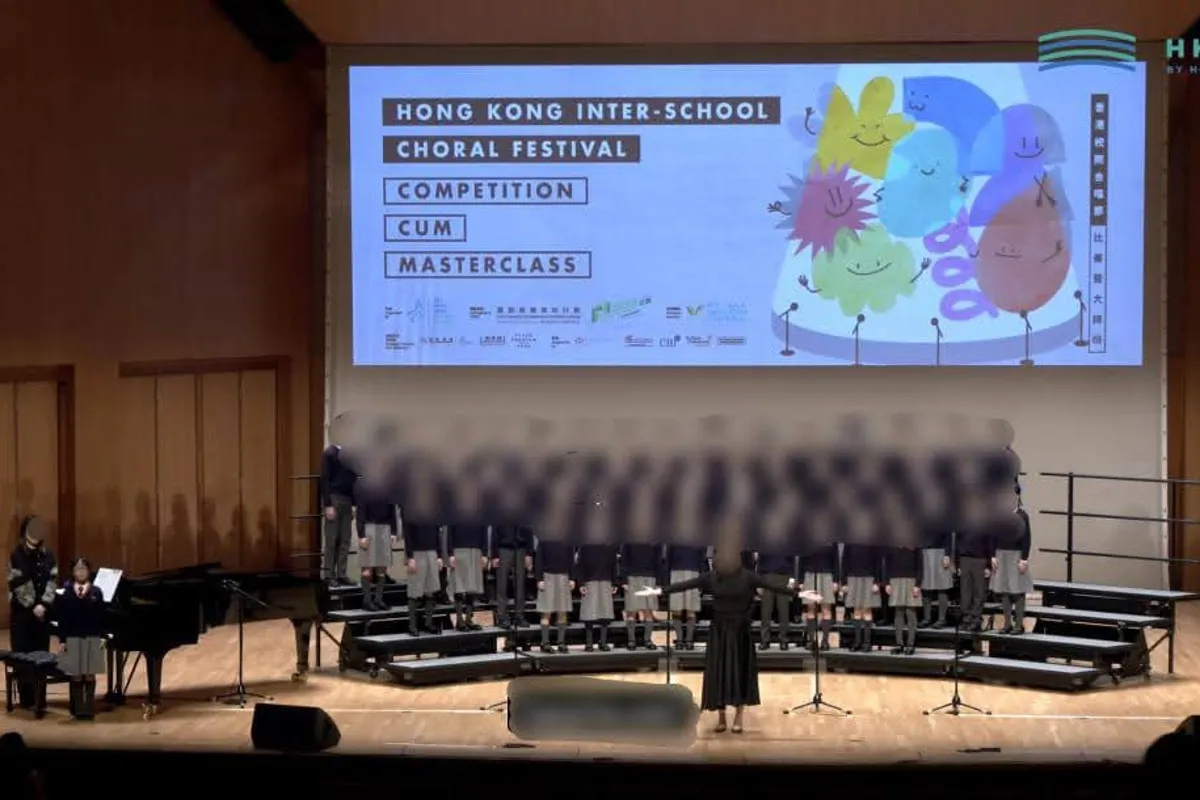
A Student Growth Diary — For My Primary 5 Student Tsz-ching: Depth Through Music, Breaking Stage Fright Through Courage
Tsz-ching, a Primary 5 student with a solid foundation and evident talent, would still freeze with stage fright because of a naturally reserved nature. This article records how, over the past year and with the support of her parents and teacher, she went to a street public piano, faced her nerves, and gradually built composure and confidence — the most precious thing in learning piano is often not the awards, but the courage to share one's own music.
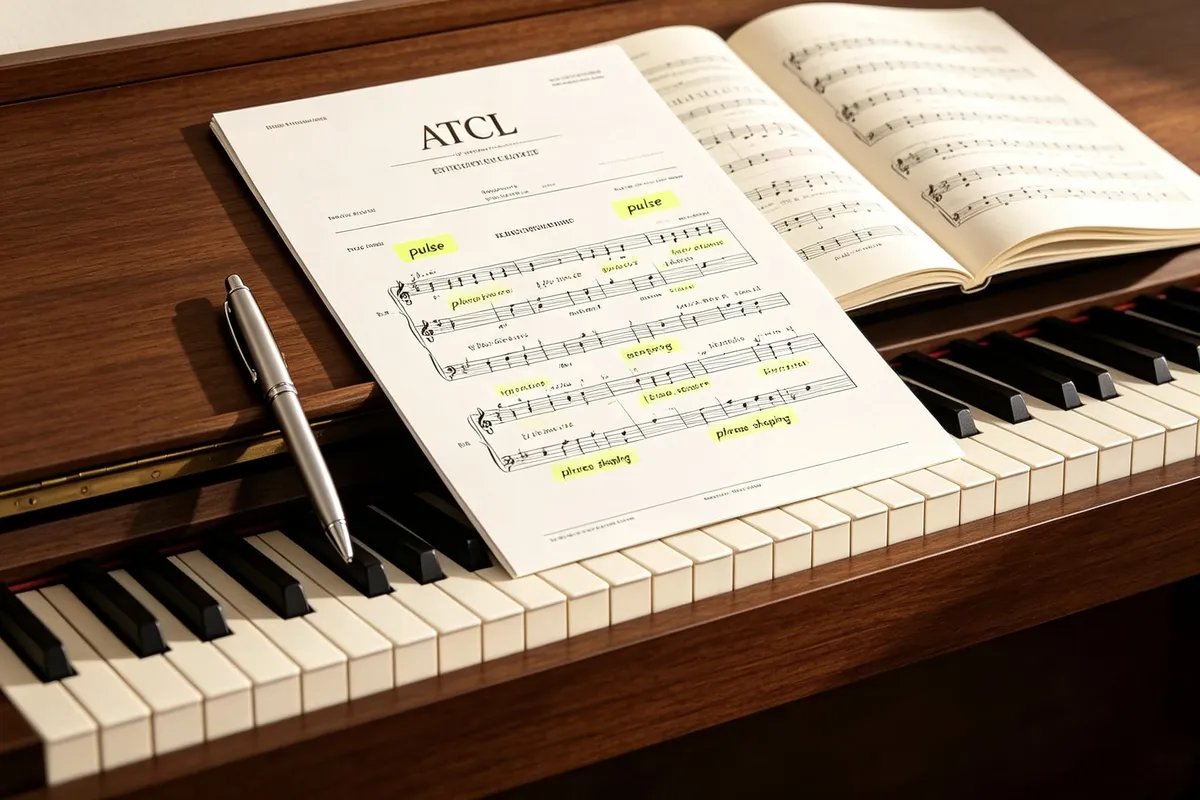
An ATCL Exam as a Starting Point to Rediscover Music — and Yourself
My student Christina sat the ATCL and did not reach a pass, yet over the past year set down years of ingrained playing habits and rebuilt her musical outlook and technique from the ground up. Drawing on Christina's own reflection and the examiner's comments, this article unpacks the progress and the areas still to deepen — an exam is never the destination, but a mirror that shows you yourself.
How to Practise the Piano Effectively: Practising Right Matters More Than Practising Long
One of the questions parents ask most is: my child clearly practises a lot, so why does progress seem so limited? In truth, how effective practice is often depends less on how long it lasts than on whether the method is right. This article breaks down the core principles of effective practice — slow practice, small sections, hands-separate, backward chaining, marking repeated passages, recording to self-listen, and multi-method breakdown — to help students make every session count.
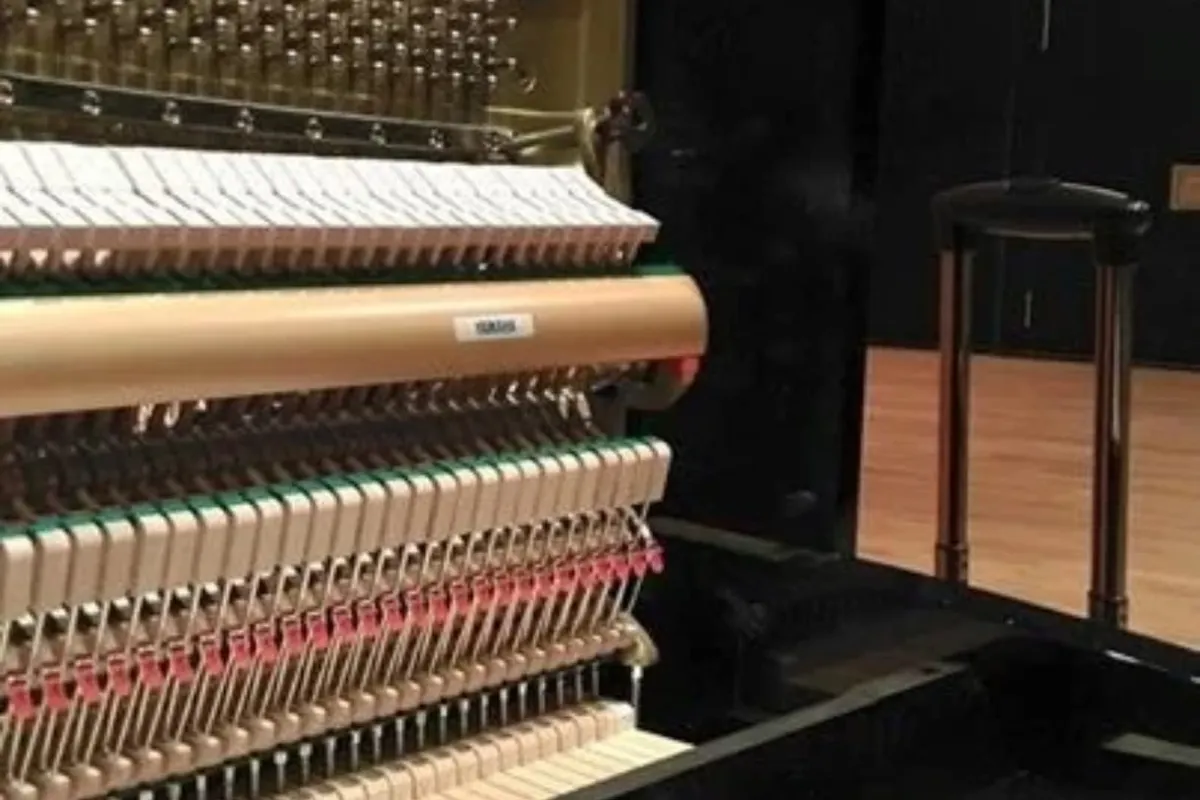
A Beginner’s Guide to Piano Care and Tuning: How Often to Tune? How to Control Humidity?
After buying an acoustic piano, many parents discover that it needs regular tuning and care. How often should it be tuned? What humidity should be maintained? Can it sit by a window or under an air conditioner? This article covers the essentials of piano care and tuning, to help parents create a stable practice environment and keep the piano in good condition for the long term.
ABRSM Exam Day: Preparation and Procedure for Parents and Students
What actually happens on an ABRSM exam day? How early should you arrive? Is there time to warm up? Can you choose which part to do first? Drawing on official ABRSM guidance, this article sets out the procedure and key preparations for exam day, to help students and parents ease their nerves and face the exam in a steadier state.
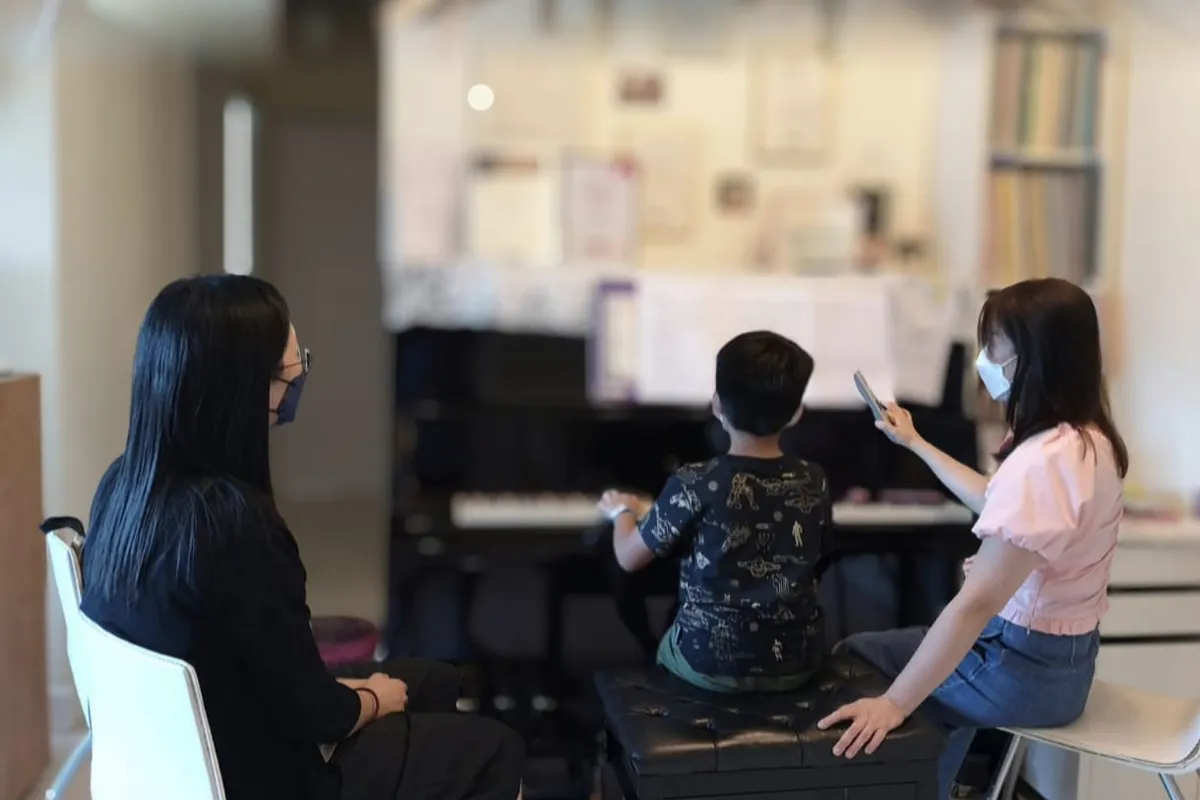
The Benefits of Learning Piano for Children: More Than Just a Skill
What are the benefits of learning piano for children? Beyond mastering an instrument, the process quietly nurtures focus, self-discipline, thinking, coordination, emotional expression and social skills. From a neutral, educational perspective, this article gathers the many-sided value of learning piano for a child’s growth — to help parents see that its meaning goes far beyond a skill or a certificate.
There Are No Shortcuts in Fundamentals: On Rushing the Diploma Level
In 30+ years of teaching, many new students want to prepare for a performance diploma as fast as possible, yet often have large gaps in the fundamentals. A diploma is never just playing a few pieces fluently — it is the all-round sum of hand shape, technique, theory, analysis, listening and pedalling. This article shares a real reflection on rushing the diploma level: there are no shortcuts in fundamentals.
After ABRSM Grade 8, Which Performance Diploma Can You Take Next? (ARSM / ATCL)
After passing ABRSM Grade 8, many students ask: graded exams have reached their peak — what formal exam is there to keep developing solo playing? This article lays out plainly the two main performance-diploma routes after Grade 8 — ARSM and ATCL — so students and parents can weigh them against their own goals. (The old DipABRSM was discontinued in 2024.)
Digital or Acoustic Piano? An Honest Guide for Beginner Parents
Your child is just starting piano — should you get a digital or an acoustic? It's one of the things beginner families agonise over most. Drawing on 30+ years of teaching, this article shares a real dividing line: if starting on a digital, the baseline is 88 keys with weighted keys; Grades 1–3 can be a digital "trial" phase, while by Grade 4–5 an acoustic becomes a basic requirement. A neutral analysis to help you choose by your child's stage.
Stuck at Piano Grades 6–8? Unpacking the Core Reasons for Plateauing
Entering ABRSM Grades 6–8 is an important watershed. Many students sail through the early grades but slow down here — repeated practice still can't lift the overall level. This is usually not a lack of effort, but hidden weaknesses from earlier surfacing as difficulty rises. This article unpacks the core reasons for plateauing at 6–8, and a way to rebuild the foundation from scratch.
Grade 5 Theory Was Never a Standalone Exam — Theory and Playing Are One
Many treat ABRSM Grade 5 Theory as "a ticket to the Grade 6–8 performance exams" and shelve the theory book once they pass. But anyone who studies long-term and refines their playing finds that theory and playing can never be separated. This article unpacks how Grade 5 Theory solves four common learning difficulties, and offers a zero-barrier "three minutes before practice" habit to fold theory into every session.
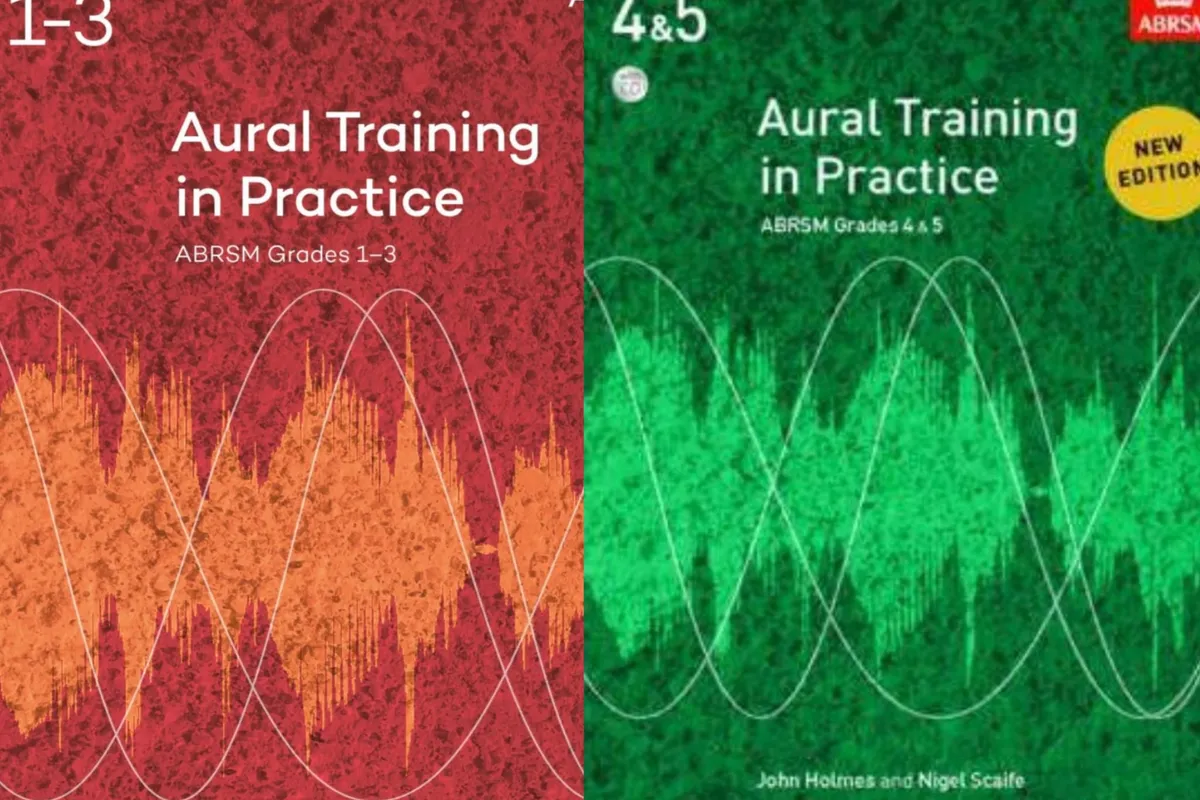
Following Only the ABRSM Grade 1–5 Aural Syllabus Can't Sustain a Full Performance
Many families treat the ABRSM grades as their learning yardstick, assuming that following the aural syllabus is enough to handle pieces at the same level. But the Grade 1–5 aural tests are only an entry-level foundation; confined to the exam scope, students often can't build enough listening to play a piece well. This article looks at what the Grade 1–5 aural syllabus covers and where it falls short, and how to keep aural training a step ahead of the syllabus.

Learning Piano as an Adult: More Than the Score, It's Knowing Your True Self
With 30+ years of teaching, I've accompanied countless adults back to the piano. Over long acquaintance, I've come to feel deeply that for an adult, the most precious lesson isn't reading, fingering or rhythm, but using the flowing melody to quietly come to know themselves. This article shares two adult students' stories, on how music becomes a mirror to the inner self.

Music and Wellbeing: How Piano Connects the Body and the Emotions
Music is more than an art to appreciate. The piano's distinctive rhythm, sound and pulse can connect both physical coordination and emotional regulation — moving the body through music while settling the mind through sound. This article shares how to combine piano music with gentle movement and emotional regulation, offering busy adults a gentle way to ease body and mind.

30+ Years of Teaching: Music Education Has No Standard Timeline
In 30+ years of teaching, I often hear parents and fellow teachers share their confusions about learning piano. Plenty of resources offer a single timeline — what age to start, which grade to reach each year. But after years of observation, my view is: real musical nurturing has no standard route that fits everyone. This article shares the pace suited to learners of different ages, and a flexible, teach-to-each-child's-nature approach.
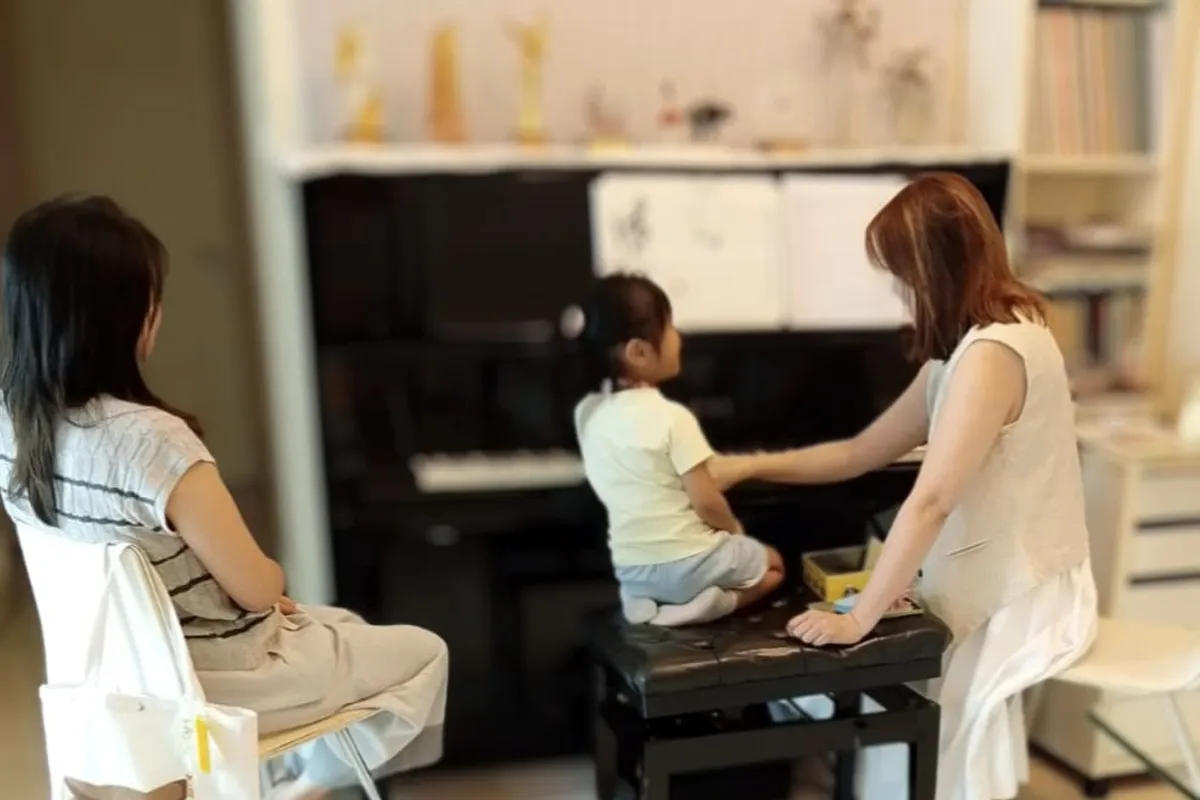
Lesson Observation for Piano Teachers: Seeing Differentiated Teaching in Real, Age-Specific Lessons
Facing a restless toddler, a primary student preparing for an exam, a teenager under homework pressure, or an adult with fragmented time, the teaching methods are entirely different. From a teacher-development angle, this article shares the learning value of observing real, age-specific lessons — and why "watching a real lesson" lands better than theory alone.
Starting Primary One: How Should Piano Learning Adjust? Three Common Parent Worries
Moving from kindergarten into Primary One is a watershed in a child's learning. Fixed homework and a tighter schedule often make the old practice routine no longer workable. Drawing on years of experience with this transition, this article unpacks the three practice challenges families most often face — adjusting the routine, rising repertoire difficulty, and learning goals — and how the teacher works alongside parents to help children cross over smoothly.
Why Do Children Resist Practice More as They Grow? The 8 Root Causes
Many parents and teachers notice it: a child who once sat at the piano on their own resists practice more and more as they grow. Resisting practice is usually not simple laziness, but the build-up of gaps in foundations, practice method, time planning and learning goals. This article unpacks the eight root causes — each with a direction for improvement.
Sight-Reading Isn't Last-Minute Cramming: Building Long-Term Independence Through Regular Training
Many students only cram sight-reading right before an exam or competition — which in the long run only deepens reliance on the teacher and leaves reading stalled. This article unpacks the logic of "regular sight-reading every lesson," how foundational theory and key training support reading, and a complete in-class and at-home approach that builds a solid habit of independent learning.

The Core Value of Lesson Observation in a Piano Teacher's Growth
Over my years of teaching, piano teachers of varying experience have often come to observe my lessons. As a form of peer exchange, what does lesson observation really mean for a piano educator? From breaking out of blind spots and refining differentiated teaching, to non-judgemental exchange and building a systematic framework for observation, here are my personal reflections.
Learning Piano as an Adult: Five Core Truths
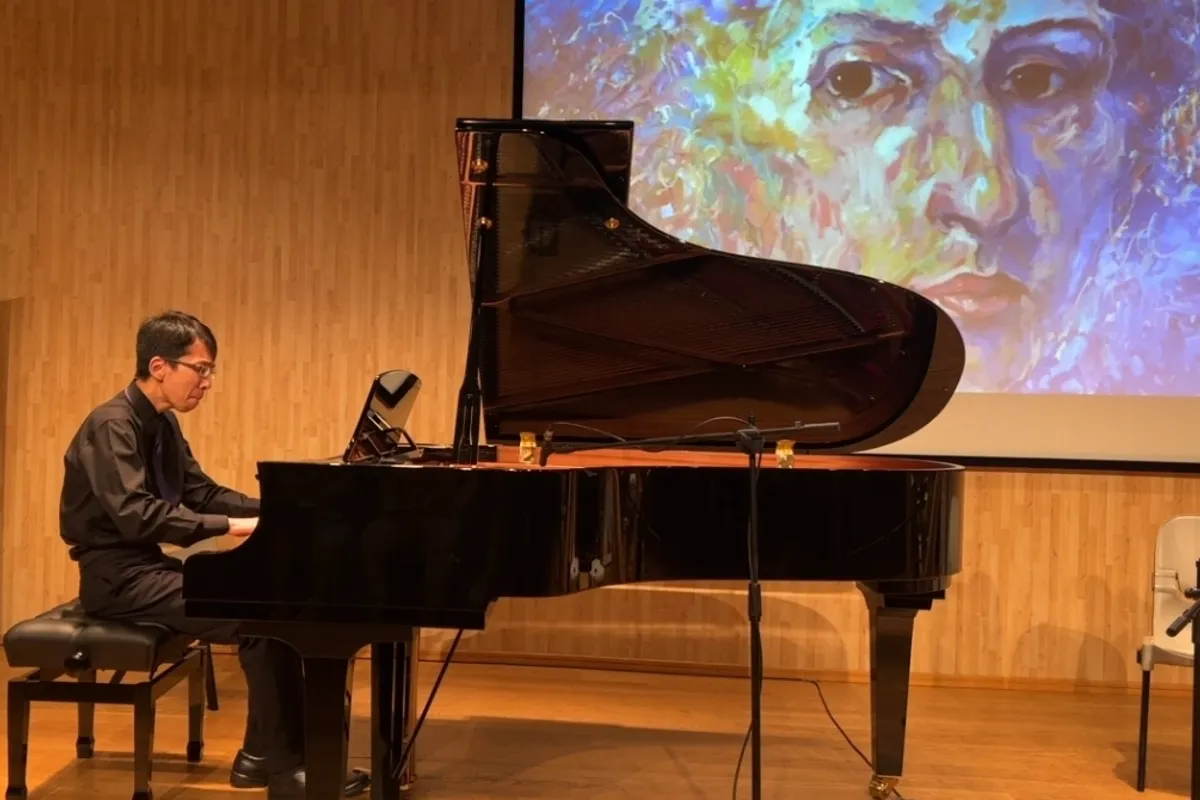
Is an adult suited to learning piano? What is worth keeping in mind along the way? Can music become a gentle companion for body and mind? From a relaxed, inclusive view, this article sets out five core truths about adult piano learning — from "age is never the threshold" to "the core value lies in keeping yourself company" — to help adults build a settled mindset and a clear direction.

Planning Summer Practice: A Personalised Summer Music Roadmap, Starting From Communication and Assessment
Summer isn't merely a continuation of the usual practice routine — it's a key growth period worth planning ahead for. A good summer practice plan isn't dictated by the teacher alone, but built on full teacher-parent communication, a comprehensive pre-holiday music assessment, and a design differentiated by individual goals. This article shares how to map out a personalised summer roadmap, starting from communication and assessment.
How to Choose Your Child's First Piano Teacher: 7 Questions Every Parent Should Ask
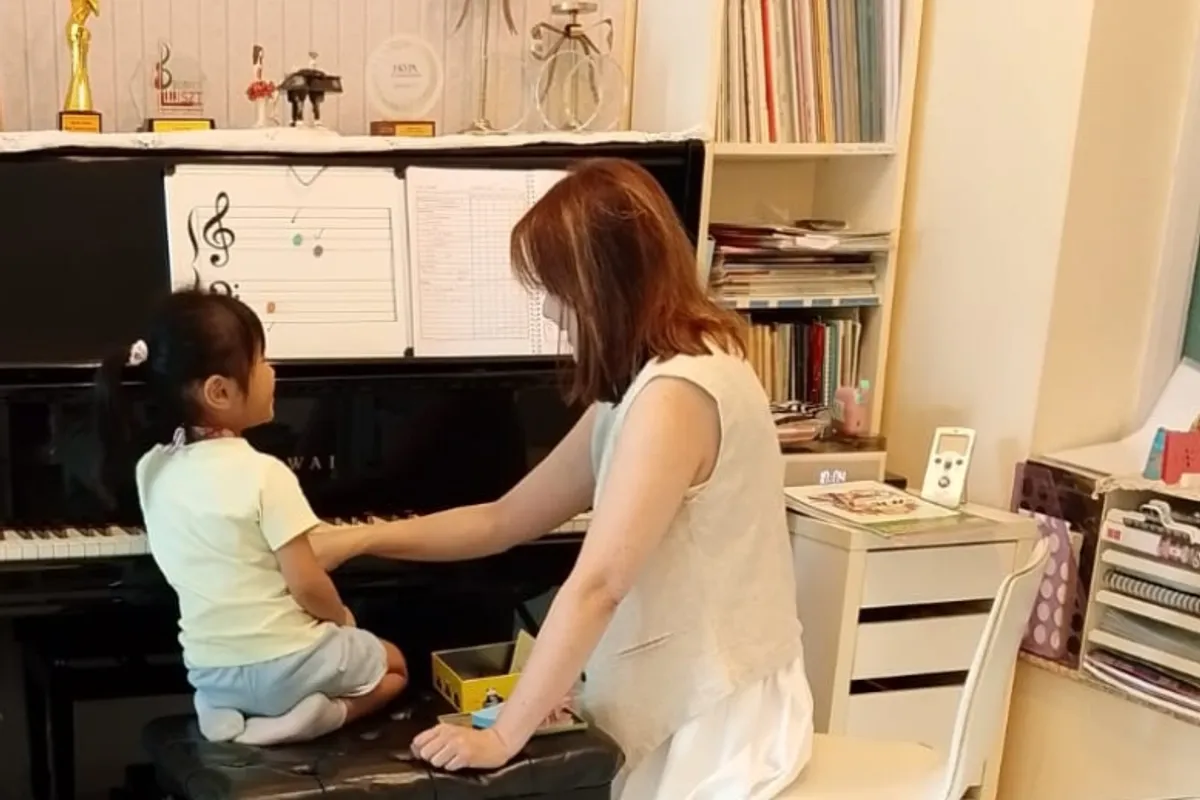
Choosing a child's first piano teacher leaves many parents unsure: should you look at qualifications, experience, or price? The first teacher of the beginner stage is key to building a child's interest in music, correct hand shape, and foundations in rhythm and theory — as well as their learning attitude and capacity for independent study. This article sets out 7 core questions worth asking when interviewing a teacher, and what to observe in a trial lesson.
Piano Teaching: Don't Overlook the Place of "Emotional Value" in Learning
In piano teaching, we're used to focusing on accuracy of notes, rhythm and technique. But with experience, I've come to feel ever more deeply that caring for a child's emotions is an indispensable part of the whole learning process — what is increasingly called "emotional value". This article shares its place in piano learning.

Piano Exams vs. Piano Performance Competitions: Understanding the Difference
Piano exams and piano performance competitions both belong to the realm of performance, yet differ entirely in their purpose, marking logic and demands — and many learners conflate the two. Drawing on the marking standards of graded exams, this article looks at the core differences across marking criteria, performance emphasis and assessment goals.

Is Age 3 Too Early for Piano? The Real Considerations in Teaching a 4-Year-Old
The myths of "too early" and "too late" spring from the same assumption — that learning piano has a standard starting line. But every child develops at a different pace. Is starting at 3 too early? The key isn't age, but whether the lesson design fits a young child's muscle development, attention span and cognition. From a child-development view, here are 4 dimensions to judge by and a 5-point checklist for parents.
The Complete ABRSM Grade 8 Piano Guide: 2027 & 2028 Syllabus, Repertoire, Analysis and Exam Prep
ABRSM Grade 8 is the highest of the Practical Grades and the gateway to performance diplomas such as ARSM, DipABRSM and Trinity College London's ATCL. Drawing on the official 2027 & 2028 syllabus, this guide brings together entry requirements, the two exam formats, the 150-mark scoring structure, the new set repertoire, repertoire-selection logic, the five layers of musical analysis, and how to plan the preparation stages.
Two Years of ATCL Preparation, Still No Pass — When Effort Isn't the Same as Method
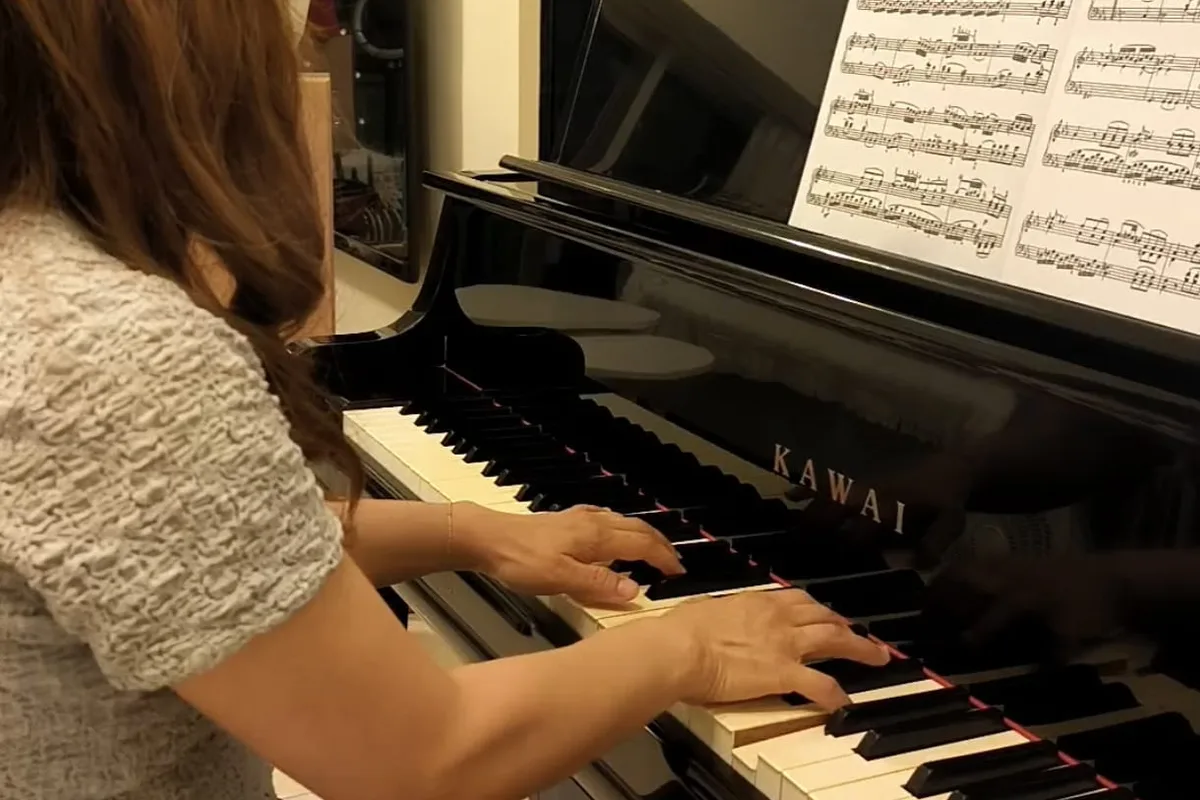
A part-time piano teacher travelled from Tuen Mun to Tai Wai for a consultation: two years of preparing for the ATCL performance diploma without success. His own teacher said he wasn't practising enough — but the real issue was the direction of his practice. Wrong tone, wrong timing, wrong pedalling: the more he practised, the worse it got.
Ten Years of Teaching, Yet Unsure How to Teach a Four-Year-Old? Four Core Questions
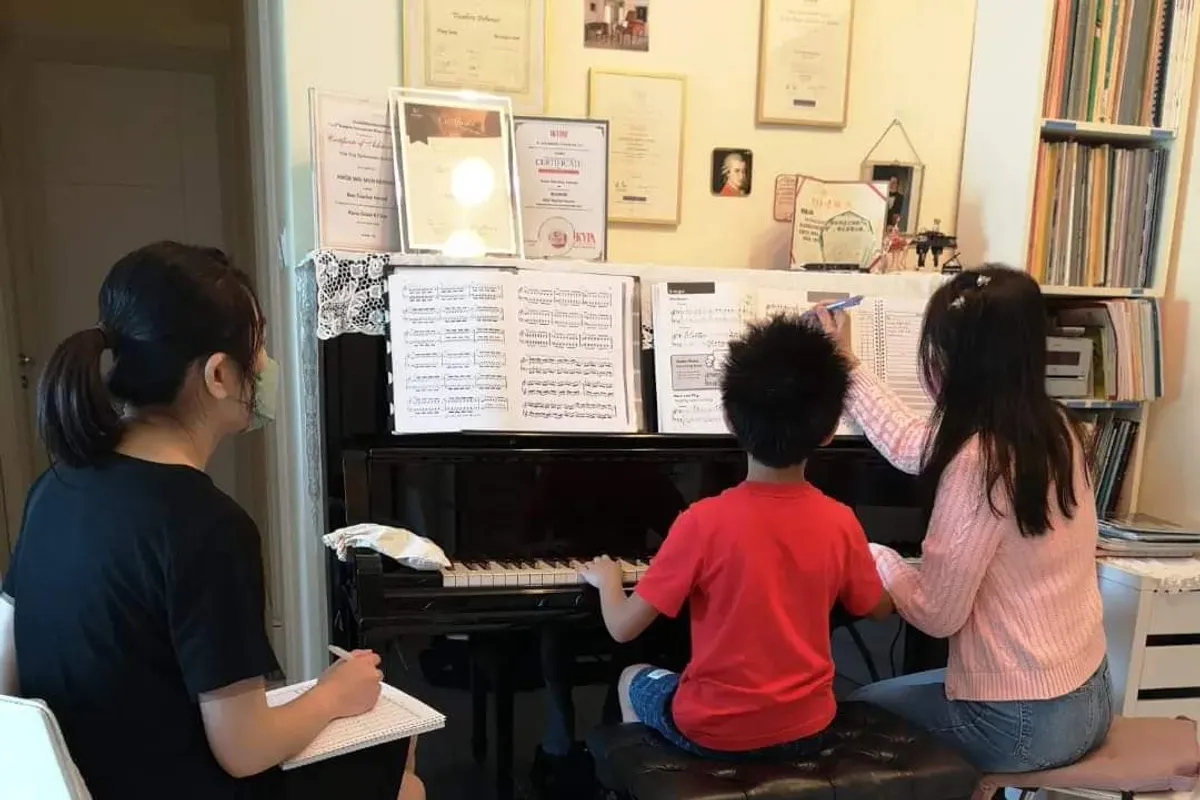
A piano teacher with ten years of experience finds four-year-olds difficult to teach. From parent communication and toddler muscle development to hand-shape building and classroom attention span — four core questions, with a systematic way to work through them.
Playing Grade 6 Pieces but Wanting to Quit? Muscle Memory vs a Real Foundation
Second-grader Hazel can already play ABRSM Grade 6 pieces, yet she is losing heart and wants to quit. The problem isn't ability — it's the gap between playing from muscle memory and building a real foundation. A real one-on-one consultation case.
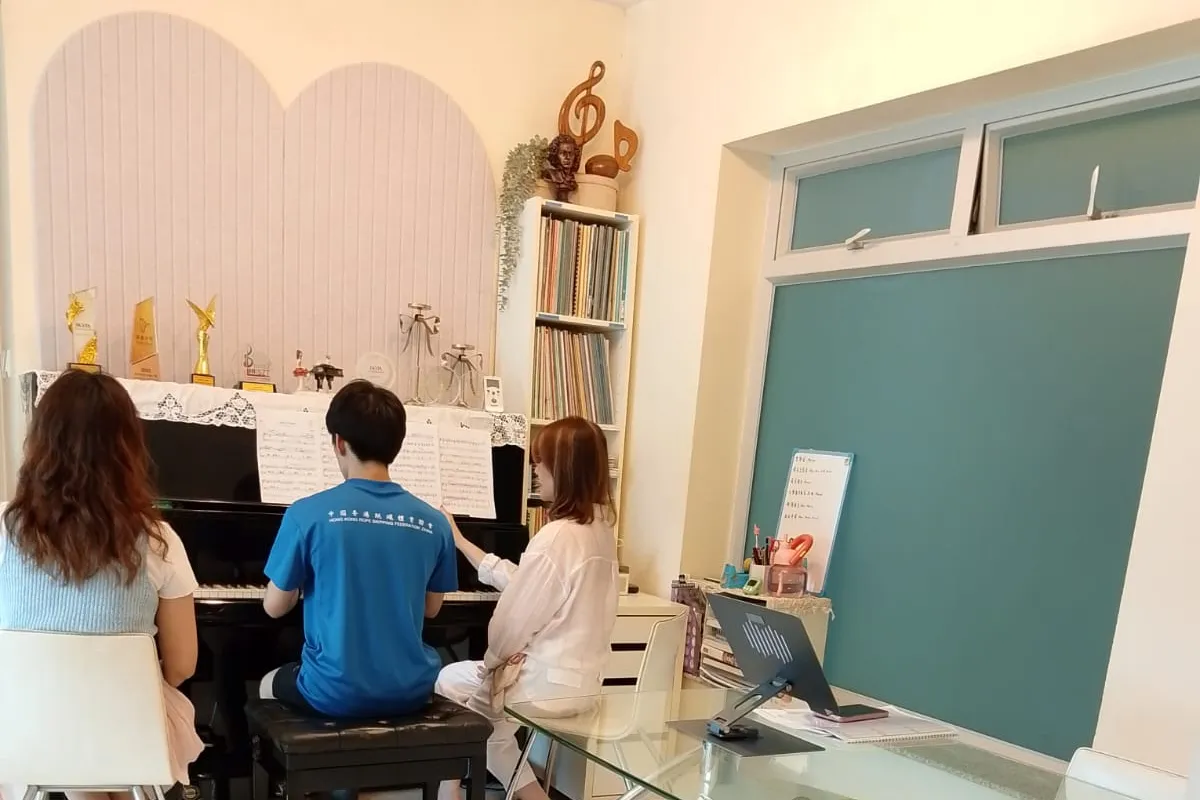
My Student Will Be Away for Two Months This Summer — How Do I Stop Them Regressing? A Teacher Consultation
A Grade 8 student is spending two months in the US this summer. The teacher fears the student will come back not just unimproved, but worse. How can one teacher consultation build a take-away "self-study system" for the student?
ABRSM Grade 8 Piano Repertoire Selection — The Professional Teaching Logic Behind It
Choosing ABRSM Grade 8 exam repertoire isn't just picking a piece that's easy or nice to listen to — it's a complete learning plan built around the student. From personality and playing ability to a three-piece, multi-style selection approach, here is a student-first way to choose repertoire and plan exam preparation.

The Moment a Child Says "You Don't Need to Help Me" — A Real Case of Tailored Piano Teaching for a Primary 1 Student
A Primary 1 student who started piano in K3 had stalled through two teachers. One consultation found the cause: a self-directed personality that resists instructions. Rebuilt rhythm / sight-reading / listening modules turned resistance into self-learning.

After Two ATCL Attempts Fell Short — How to Replan the Preparation Direction
A Form-1 student sat the ATCL piano diploma twice without the result they hoped for. After a one-on-one consultation, we rebuilt the repertoire choice, musical analysis, wrist technique and pedalling from the ground up — a real case study in how to find a direction for improvement from the root.

Real Piano Skills Matter More to Me Than Passing Another Exam
Many students and parents reduce piano study to one goal — passing the next ABRSM grade. So practice becomes drilling exam pieces and memorising scales and arpeggios. But the real foundation of piano playing isn't built by exam material alone. It's built by the rhythm, sight-reading, listening and technique work that has to happen in every single lesson.