
Every new school year, one of parents' biggest worries is whether a child, amid a busy academic load, can still keep up the piano. With homework, tutoring and activities piling up, practice time seems to get squeezed out. In truth, schoolwork and practice are not a zero-sum game — the key is not “how much time,” but how to arrange it sustainably. From planning and priorities to home–school communication, this article shares practical directions for balancing schoolwork and practice in the new year, so a child can keep walking with music even when busy.
Quality Over Quantity, So Practice Is Sustainable
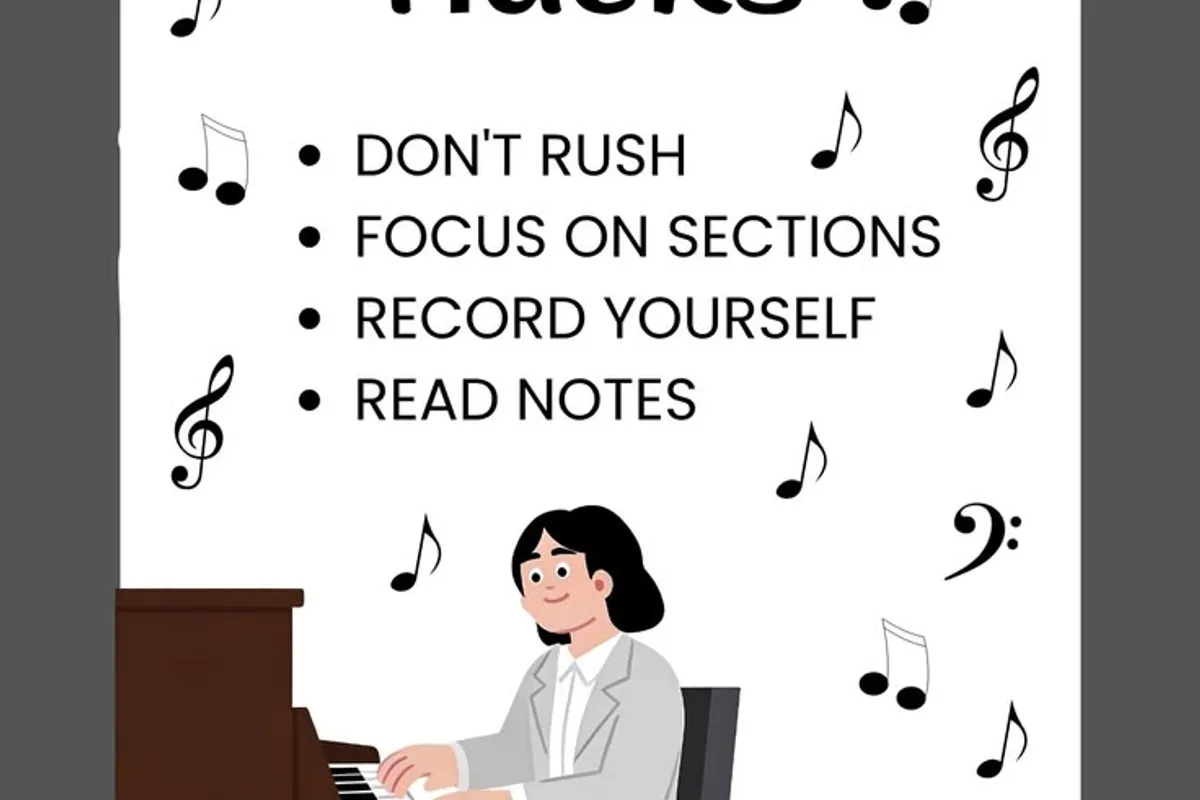
When schoolwork is heavy, rather than forcing long practice sessions, arrange short, focused ones. With the right method, even a short session bears fruit; forcing longer sessions tends to leave a child tired and resistant.
The result of practice depends on focus and a clear goal, not simply the hours — and that matters all the more in a busy school year.
Set Priorities With the Child
At the start of a new year, review the week's time together with the child and place practice in a relatively fixed slot, making it part of the routine like homework. Once the habit is set, the times you need to “nag” naturally grow fewer.
During academic peaks (like exam weeks), the practice content can be flexibly adjusted — keeping the fundamentals and easing the load, rather than stopping entirely. This looks after schoolwork while not letting the piano stall completely.
Communicate With the Teacher, Adjust Flexibly
Every child's academic pressure and schedule differ, so the practice arrangement should vary too. Keeping in touch with the teacher — so they understand the child's academic rhythm — lets the lesson content and homework be adjusted flexibly, so the piano doesn't become an extra source of pressure. To plan a suitable arrangement together, you're welcome to book a one-to-one piano consultation.
Protect the Interest, and It Lasts
The aim of balancing schoolwork and practice is not to “squeeze time out of a child,” but to let music be a respite and support in a busy life. When a child still enjoys music and finds a sense of achievement in practice, they are more willing to keep going even when busy.
Protecting that interest often matters more than chasing progress. What lasts is never a burst of intensive drilling, but steady, sustained involvement.
Further Reading
Adjusting to Primary 1: Three Common Parent Worries About Piano Learning
How to Practise the Piano Effectively: Practising Right Matters More Than Practising Long
A Parent's Guide to Practice: How to Support, Without Turning It Into Nagging
Frequently Asked Questions
Schoolwork is too heavy — can we pause piano?
You don't have to stop entirely. Rather than stopping, flexibly adjust the practice content during academic peaks — keep the fundamentals and ease the overall load. The actual arrangement varies with the child's situation.
How long should a child practise a day?
There's no uniform standard. Practice is about quality, not quantity; short, focused practice arranged to the child's age, level and schedule is often more effective than a long session.
My child gets busier in the senior grades — what can we do?
Re-set priorities with the child, place practice in a fixed slot, and talk with the teacher about adjusting the pace, so the piano runs alongside schoolwork.
How do we keep practice from becoming stressful?
Protecting the child's interest in music is key. Give practice clear small goals and a sense of achievement, and avoid over-nagging, so the child keeps up their involvement even when busy.
Ms. Kannaz Kwok
30+ years of piano teaching experience. Holder of internationally recognised qualifications from the Royal Academy of Music and Trinity Laban Conservatoire.