
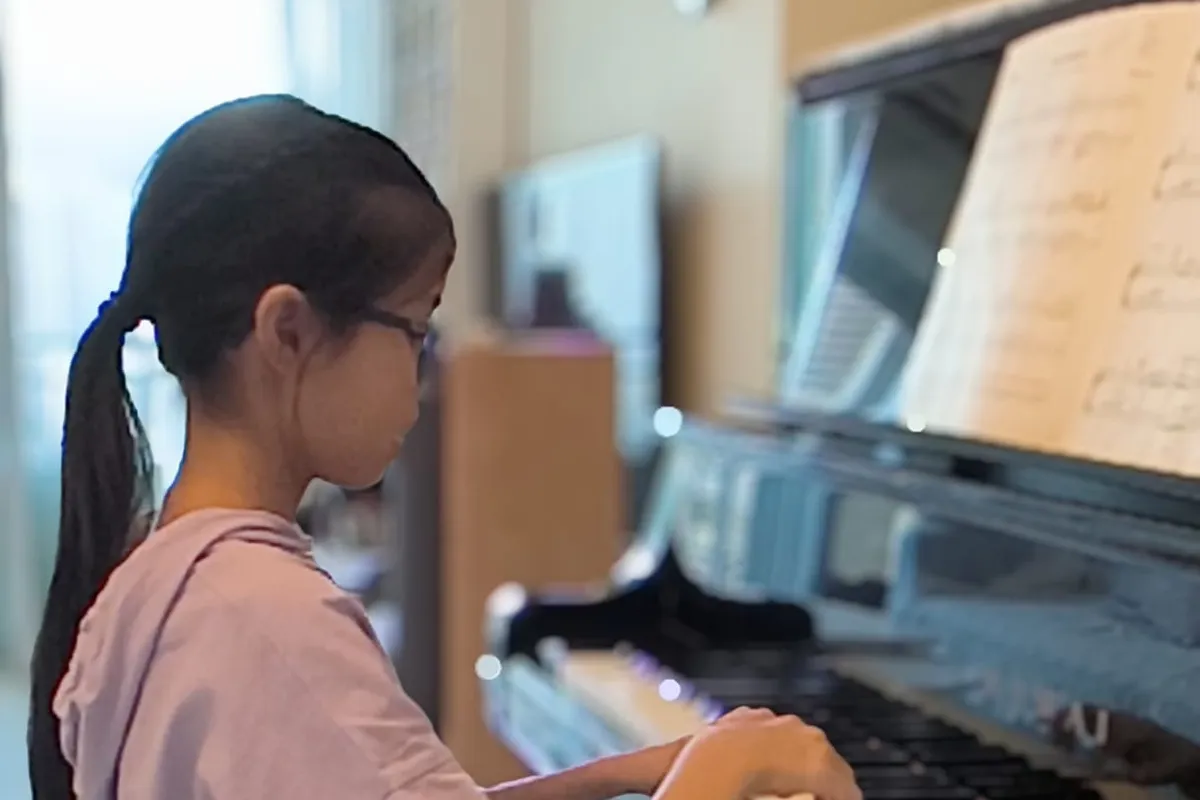
Many students, in everyday practice, focus only on performing pieces and all but ignore sight-reading; they cram intensively just before an exam or competition. It may scrape through, but it builds no solid reading foundation. Over time, an unfamiliar score brings panic, key signatures and rhythm are slow to recognise, wrong notes are frequent, and away from the teacher's guidance the student struggles to learn new pieces alone.
Sight-reading is not merely an exam component — it is a lifelong, foundational musical skill. Only by making it a core part of every lesson, pairing it with daily home practice, and supporting it with systematic theory and key training, can a complete capacity for independent learning be built from the root.
Why Does Cramming Sight-Reading Usually Fall Flat?
Sight-reading requires visual recognition, rhythmic response and key sensitivity working in sync — a reflex-like ability. A short sprint can only handle scores of a fixed difficulty; it can't build flexible, transferable reading thinking.
Without familiarity with key signatures, intervals, chords and time signatures, a student can only memorise notes by finger position, with no basis for judgement across different keys — so the error rate is hard to lower. Over time it also breeds a passive "sight-reading is only for exams" mindset: avoiding new scores day to day, and losing the interest to explore music independently.
Making Sight-Reading a Fixed Part of Every Lesson
In my lessons, the start of each lesson reserves a dedicated sight-reading slot that isn't skipped to rush through repertoire. The flow is roughly: sight-read an unfamiliar score on the spot, then work through the rhythm, key and reading blind spots, alongside a relevant theory demonstration. I don't fully demonstrate the playing in advance; instead I guide the student to observe the information on the page themselves, training independent judgement.
Sight-reading's effectiveness is inseparable from theory and key support: fluency with time signatures, note values, accidentals and interval recognition improves the common rhythm and pitch errors; a grasp of major and minor scales, key-signature patterns and chord progressions lets a student quickly judge a piece's key and shorten reading-thinking time. After each round of sight-reading, I sort the issues into rhythm, key and theory, then assign matching supplementary practice to avoid repeating the same mistakes.
Want to Build Regular Sight-Reading for Your Child?
Every student's reading foundation and blind spots are different. If you'd like to understand your child's current sight-reading and theory, and then plan a suitable approach, you're welcome to book a one-on-one piano consultation.
Home Practice: Timed Sight-Reading to Extend the Lesson
Beyond the lesson, home practice is the key to extending sight-reading and nurturing self-study. I set a light daily sight-reading routine for beginners — the point is not to practise for a long time at once, but to keep at it every day.
Timed sight-reading has a clear completion standard: whether right hand alone, left hand alone, or hands together, the playing must be fluent, stay locked to the metronome throughout, with no breaks or wrong notes, before the time taken is recorded. The order is right hand, then left, then hands together — each step recorded only once it follows the beat and flows.
At the beginner stage there's no need to chase speed. Comparing the daily record, the child can see the time needed for each hand and for hands together gradually shorten — easily building a sense of achievement and a steady, self-directed practice habit. Paired with what was learned in the lesson — first identifying the key and mapping out the scale and chord framework, then starting to sight-read — this builds a self-study flow of "analyse the page first, then play."
The Long-Term Benefits of Regular Training
Building up theory and key sensitivity over time, paired with daily metronome-locked timed sight-reading, lets a child unpack all kinds of unfamiliar scores more quickly, with rhythmic steadiness and reading efficiency rising together — no longer fearing sight-reading.
More importantly, the child gradually builds a complete system of musical self-study — combining reading, key analysis and theory judgement — so they can later learn new pieces and plan their own practice independently, without relying on the teacher for every detail. This also turns around the short-sighted "practice only for the exam" mindset, helping the child understand that sight-reading and theory are the basis of performing and appreciating music, and cultivating a lasting, self-driven motivation to practise.
In Closing
Sight-reading shouldn't be reduced to a last-minute tool before an exam. Through regular sight-reading every lesson, a solid grounding in theory and key, and daily timed home practice, reading skill accumulates step by step — and a child becomes a learner who can think independently and plan their own practice, laying a firm foundation for the long road of piano study.
Further Reading
More Than "Getting Through the Exam": Why I Care About Real Playing Ability
Memorising or Building Foundations? On the Roots of Piano Learning
Why Do Children Resist Practice More as They Grow? The 8 Root Causes
Frequently Asked Questions
Does sight-reading really need to be practised every lesson? Can't we just do it before the exam?
Sight-reading is a reflex-like ability built over the long term. Cramming only handles scores of a fixed difficulty and won't build flexible reading thinking; making it a fixed part of every lesson and every day is far more solid.
Why does learning theory and keys help sight-reading?
Familiarity with time signatures, intervals, key signatures and chord progressions lets a student quickly judge a piece's key and structure, instead of memorising notes by finger — lowering both reading-thinking time and errors.
How is timed sight-reading done at home?
Right hand first, then left, then hands together; each step locked to the metronome, fluent, with no breaks or wrong notes before the time is recorded. Beginners needn't chase speed — the point is daily consistency and seeing one's own progress.
What are the long-term benefits of regular sight-reading for a child?
The child gradually builds combined reading, key-analysis and theory ability, and can later learn new pieces and plan their own practice independently, relying less on note-by-note guidance from the teacher.
Ms. Kannaz Kwok
30+ years of piano teaching experience. Holder of internationally recognised qualifications from the Royal Academy of Music and Trinity Laban Conservatoire.