
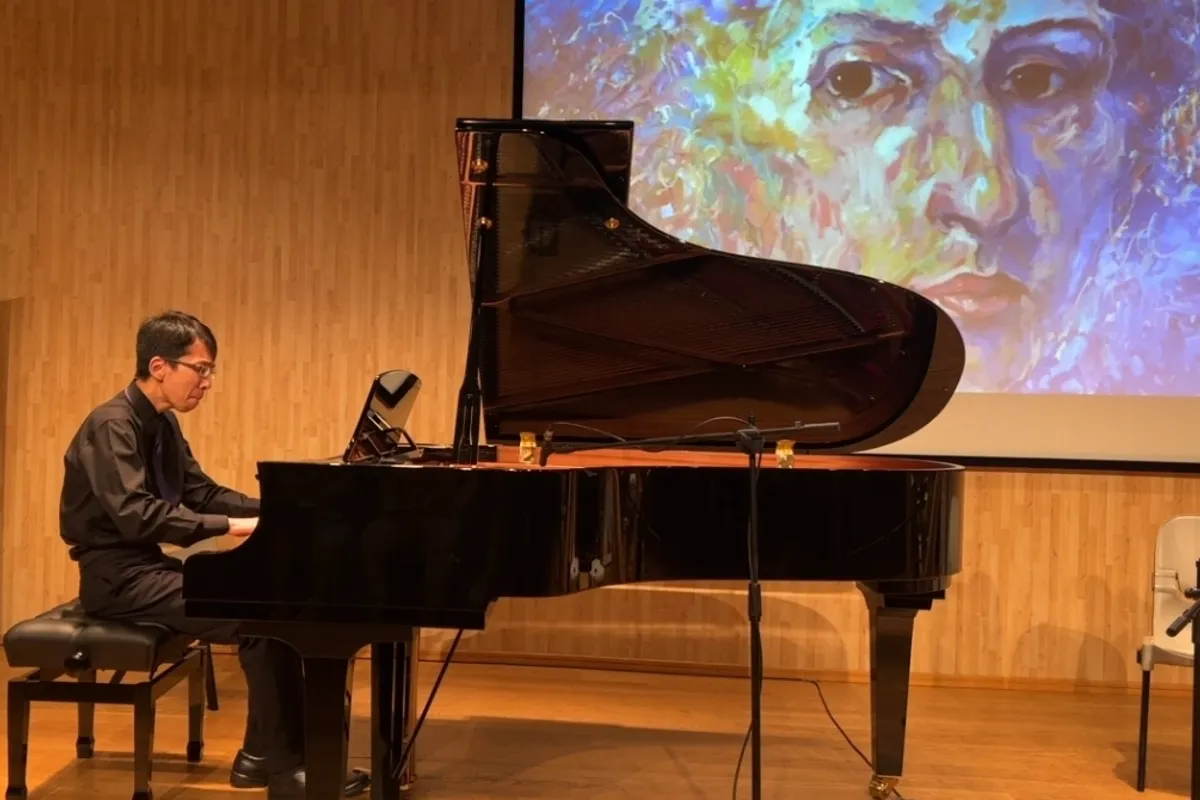
People often assume music learning is a task for childhood. After stepping into adulthood, between work, family matters and self-doubt, many wonder: are adults suited to learning music? What should they keep in mind? And can music become a way to settle body and mind?
Holding to the core ideals of teaching to each person's nature, systematic learning, fostering independent thinking, and a level-headed view of exams and exchange, the five core truths below start from adults' distinctive pace of life and state of mind, to help those drawn to music build a settled mindset and a clear direction.
Truth 1: Starting as an Adult Is Entirely Possible — Let the Pace Suit You
Age has never been the threshold to the world of music. While adults differ from children in muscle suppleness and physical adaptability, they have more mature cognition, emotional perception and independent thinking — and often find it easier to grasp the meaning of a piece and the concepts of theory.
What matters is not to copy a child's standardised learning mode, nor to measure yourself against anyone's pace. Simply follow your own rhythm of life, the time you can spare and your own goals, and plan a personal, flexible, systematic course — and you can begin the journey with ease.
Truth 2: Music Is a Gentle Way to Settle Body and Mind — Immersion Over Quick Results
By playing an instrument and feeling the flow of sound, an adult can step away from daily busyness for a while, focusing on the rhythm, tone and emotion of the moment for a sense of mental release; the small gains in practice also bring a warm sense of self-affirmation.
We should also see this value clearly: music is not a quick fix for stress. Its companionship comes from long, relaxed immersion and experience — a gentle place to settle oneself, not a task that must achieve some effect.
Truth 3: Manage Time and Expectations Gently — Learn With an Easy Mind
Most adults carry several life roles and find it hard to have long, ample, fixed practice time — this is entirely common, and nothing to feel anxious about.
The starting point of learning music is to accept your own time limits with equanimity, and not set an over-idealised pace; there's no need for self-reproach when you can't practise on busy days, and a few moments of playing in free time is worth treasuring. Setting small, stage-by-stage goals that suit your own pace, with an easy mind, matters far more than forcing results.
Want to Plan a Suitable Direction for Your Adult Learning?
Every adult learner's pace of life and goals are different. If you'd like to first clarify a suitable direction, you're welcome to book a one-on-one professional piano consultation, and we'll work it through according to your actual situation.
Truth 4: It Calls for Professional, Systematic Guidance — and Protecting the Body
Compared with children who are still developing, an adult's muscles and joints have largely set, making tension and stiffness in the shoulders and wrists more likely; using the wrong way of applying force or the wrong practice mode increases the chance of physical strain.
So an adult learner does well to build correct hand shape, muscle use and ways of releasing tension under a teacher's systematic guidance, and to plan an intensity that suits them. Technical training should not become a source of pressure, but a foundation that helps you enjoy playing more freely.
Truth 5: The Core Value Lies in Self-Companionship and Inner Richness
Many adults unconsciously fall into the notion that they must obtain a certificate or reach a professional level, adding extra pressure on themselves. But for the great majority, the reason for taking up music is to find an interest to lean on, to keep themselves company, and to enrich their inner world.
Certificates and technical results have never been a necessary goal of adult piano learning. As long as you can feel the beauty of music through playing, settle your own emotions, and find joy, you have already realised the most precious meaning of learning music as an adult — with no need to compare yourself to anyone.
In Closing
Music has always opened its doors to every age. For an adult, learning music is never a race to hit a target, but a journey of gentle dialogue with oneself, settling the emotions and cultivating a pleasure in life. By recognising your own pace, building an easy mindset, accepting professional and humane guidance, and setting down unnecessary utilitarian expectations, every adult can step into the world of music with ease.
Further Reading
More Than "Getting Through the Exam": Why I Care About Real Playing Ability
Memorising or Building Foundations? On the Roots of Piano Learning
Frequently Asked Questions
Is it too late to start piano as an adult?
Age is not the threshold. Adults differ from children in physical adaptability, but they have more mature cognition and understanding. By following your own pace and planning a flexible, systematic course, you can begin the journey with ease.
Can I learn if work is busy and I have no fixed practice time?
Yes. Not having long, ample practice time is very common and nothing to be anxious about. Accepting your time limits and setting small goals that suit your pace matters more than forcing results.
Do adults have to take graded exams?
Not at all. Certificates and technical results have never been a necessary goal. Feeling the beauty of music, settling your emotions and finding joy is already the most precious meaning of learning music as an adult.
What should adults watch out for to avoid injury?
An adult's muscles and joints have largely set and tense up more easily. It helps to build correct hand shape, muscle use and ways of releasing tension under a teacher's systematic guidance, and to plan a suitable intensity.
Ms. Kannaz Kwok
30+ years of piano teaching experience. Holder of internationally recognised qualifications from the Royal Academy of Music and Trinity Laban Conservatoire.