
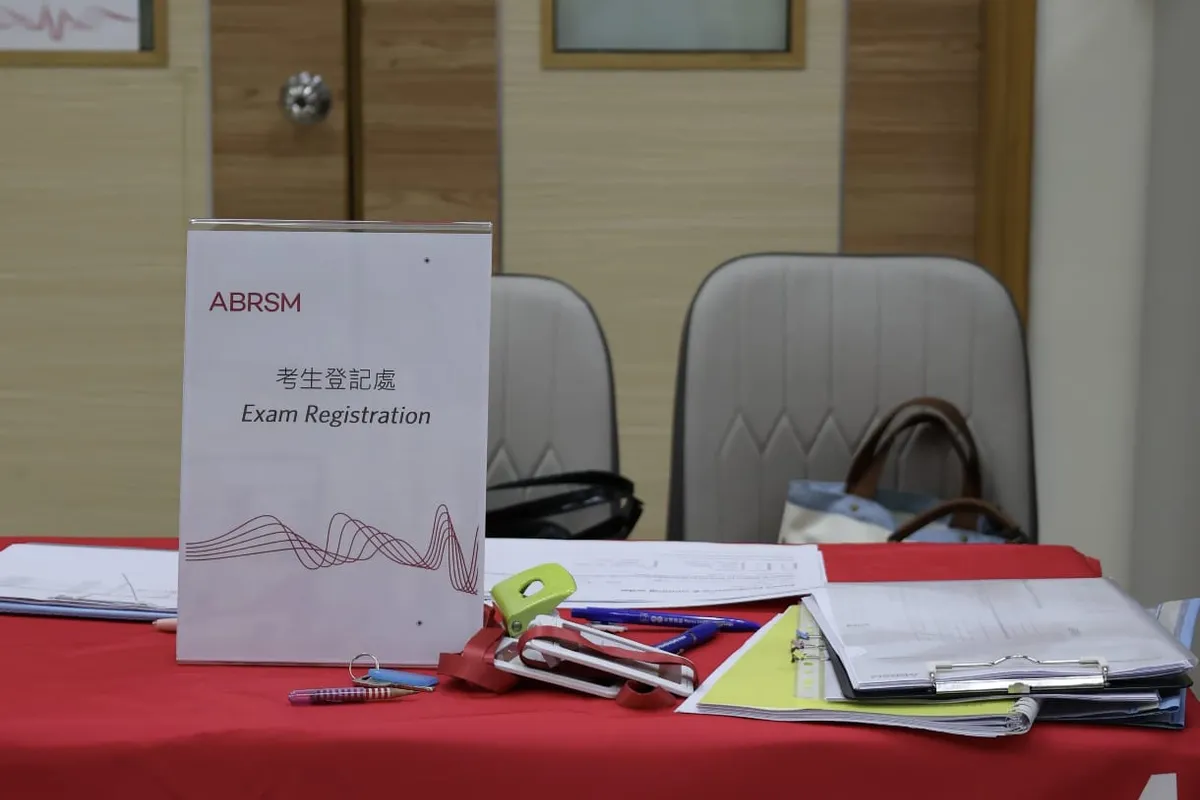
In Hong Kong, when children learn piano, many parents meet the same question: do you have to take ABRSM grade exams? Some see grades as a must; others hold that “learning music needn't be for exams.” In fact, taking grades and not taking grades are two paths, each with its own pros and cons — there is no absolute right or wrong. What matters is the child's goals and needs. This article neutrally unpacks both, to help parents choose by their child's situation.
The Grades Path: Structured Goals and International Recognition
ABRSM grades offer a clear, step-by-step framework; each grade covers pieces, scales, sight-reading and aural, pushing all-round development. Its benefits include:
• Clear stage goals, making progress easy to track;
• Internationally recognised certificates, which some schooling or extracurricular records take into account;
• A preparation process that trains handling pressure and planning practice.
But note: making grades the only goal can turn into “practising for the exam,” overlooking the joy of music itself and a wider repertoire.
The No-Grades Path: Centred on Interest and Musicianship
Not taking the grades route doesn't mean learning less seriously. This path centres on:
• Meeting a wide range of styles and difficulties, building interest and musical taste;
• Learning at the child's own pace, with less exam pressure;
• More emphasis on expression, listening and musical understanding.
Its challenge: without external stage goals, teacher and parent need to work harder to sustain motivation and progress, so it doesn't drift.
How to Choose for Your Child?
No single path suits everyone. Start from a few questions:
• What is the child's main goal in learning piano — interest, an accomplishment, or professional development?
• How does the child cope with exam pressure?
• How much time and resources does the family wish to invest?
The two paths aren't mutually exclusive: some students build a foundation through grades first, then turn to freer repertoire exploration; others do the reverse. (For further thought, see Beyond “Passing the Exam”: Why I Care More That Students Can Truly Play)
If you're unsure which path suits your child, you are welcome to book a one-to-one piano consultation to plan a suitable direction around your child's goals and character.
In Closing
You don't have to take ABRSM grades to learn piano — it's a choice that varies from child to child, not a given rule. Whether or not you take grades, what truly matters is whether the child steadily builds ability and finds joy in music. Centred on the child's goals, both paths can lead to a rich musical life.
Further Reading
Beyond “Passing the Exam”: Why I Care More That Students Can Truly Play
ABRSM or Trinity? How to Choose Between the Two Piano Exam Boards
The Benefits of Learning Piano for Children: More Than Just a Skill
Frequently Asked Questions
Do you have to take ABRSM grades to learn piano?
No. Taking grades and not taking grades are two paths, each with pros and cons; neither is absolutely right or wrong. What matters is the child's goals and needs.
Can a child still learn well without taking grades?
Yes. The no-grades path centres on wide repertoire, interest and musical expression, and can build ability just as solidly — but teacher and parent need to work harder to sustain motivation and progress.
What are the benefits of taking grades?
Grades offer clear stage goals and an internationally recognised certificate, and the preparation trains handling pressure and planning practice — but they shouldn't be made the only goal.
Can we take grades first and switch to freer learning later?
Yes. The two paths aren't mutually exclusive; many students build a foundation through grades first, then turn to freer repertoire, or adjust flexibly as needed.
Ms. Kannaz Kwok
30+ years of piano teaching experience. Holder of internationally recognised qualifications from the Royal Academy of Music and Trinity Laban Conservatoire.