
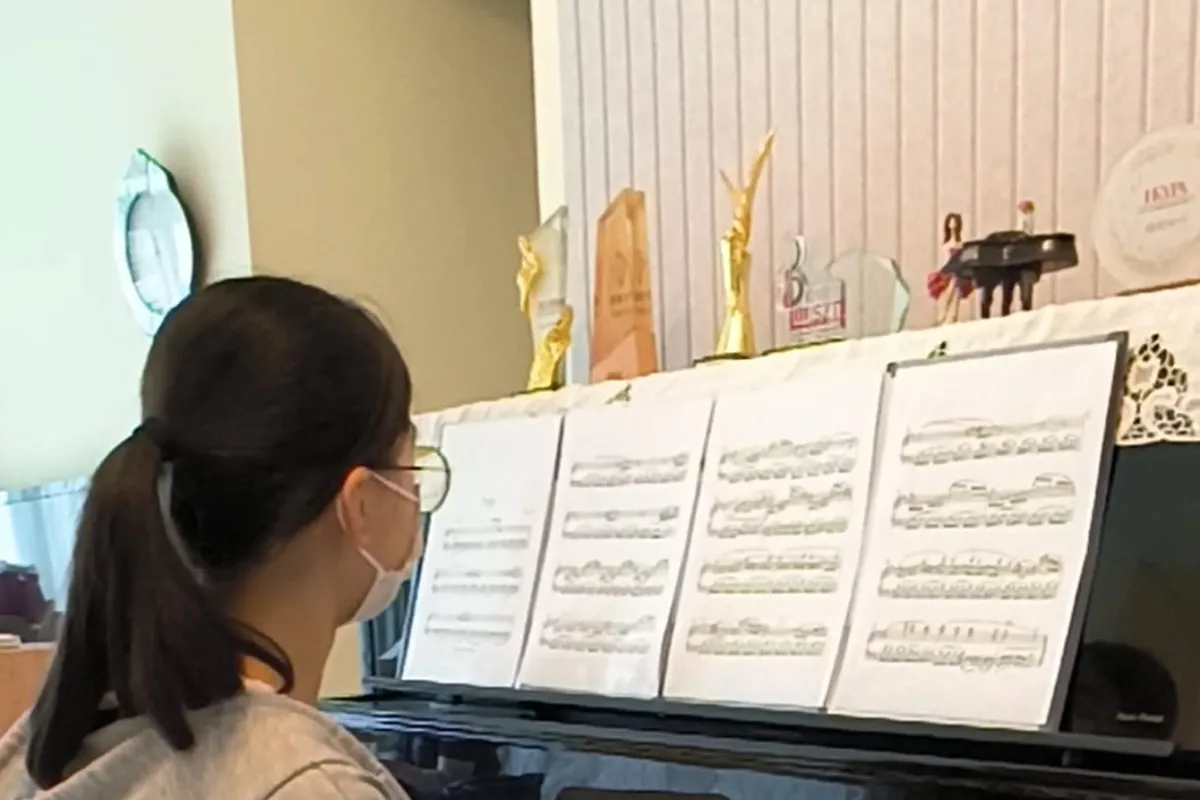
For many piano beginners, each hand is fine played separately, but the moment the hands come together it keeps getting stuck — a very common hurdle on the learning path. Hands-together coordination isn't something you force through by “playing it a few more times”; there is a method to follow. This article unpacks the common causes of getting stuck, and offers a step-by-step practice direction, so the two hands gradually work together smoothly.
Why Does It Get Stuck When the Hands Come Together?
Difficulty playing hands together usually comes from a few causes:
• One hand isn't secure enough: often the left hand isn't practised to the point of playing “without thinking,” so together the brain can't manage both.
• Attention can't be split: minding both hands' notes, rhythm and dynamics at once exceeds the focus available right now.
• Unclear rhythmic alignment: not knowing how the hands line up on each beat, so together it falls apart.
• Rushing: starting hands-together at full speed, with no time to react.
A Step-by-Step Practice Direction
Coordination can be broken into steps, built up gradually:
• Secure each hand first: especially the weaker hand, until it plays steadily and relaxed, easing the load when combined.
• Combine at a very slow tempo: far below performance speed, giving the brain time to process each alignment of the hands.
• Practise by section and by bar: pull out the stuck spot on its own, practise it slowly bar by bar, then connect gradually.
• Count the beats clearly: count aloud while playing, working out how the hands correspond on each beat. (See Scales and Arpeggios: Why Practise Them, and How to Make Them Meaningful)
Details to Watch While Practising
• Stay relaxed: tension in wrists, shoulders and neck makes coordination harder; watch posture and relaxation while practising slowly.
• Eyes and focus: once familiar, look down at the hands as little as possible, returning attention to listening and the score.
• Don't rush to speed up: only once slow tempo is steady and relaxed, raise the speed gradually; speed is a result, not a starting point.
• Use memory as an aid: memorising the stuck passage lightens the reading load when combining. (See How to Memorise Piano Music Effectively)
If a child is persistently stuck on hands-together, you are welcome to book a one-to-one piano consultation for the teacher to pinpoint the crux and adjust the method.
In Closing
Getting stuck playing hands together is a stage almost every learner goes through, and doesn't mean a lack of ability. Secure each hand, combine very slowly, practise by section, count the beats and stay relaxed — and the two hands gradually work together more and more naturally. Slow is often the fastest road to smooth.
Further Reading
How to Practise the Piano Effectively: Practising Right Matters More Than Practising Long
Scales and Arpeggios: Why Practise Them, and How to Make Them Meaningful
How to Memorise Piano Music Effectively: Don't Rely on Finger Muscle Memory Alone
Frequently Asked Questions
Why can I play each hand but get stuck together?
Usually because one hand isn't secure enough, attention can't be split, or the rhythmic alignment is unclear. Securing the weaker hand and then combining very slowly usually improves it noticeably.
How do I practise hands-together coordination?
Step by step: secure each hand first, then combine far below performance speed, practise section by section and bar by bar, and count clearly how the hands correspond on each beat.
Should I practise hands-together at full speed?
Not at first. Get both hands steady and relaxed at a slow tempo, then raise the speed gradually; speed is the result of practice, not the starting point.
I always get stuck together — is it a lack of talent?
No. Hands-together is a stage almost every learner goes through; with the right method and step-by-step practice, it can be overcome gradually.
Ms. Kannaz Kwok
30+ years of piano teaching experience. Holder of internationally recognised qualifications from the Royal Academy of Music and Trinity Laban Conservatoire.