
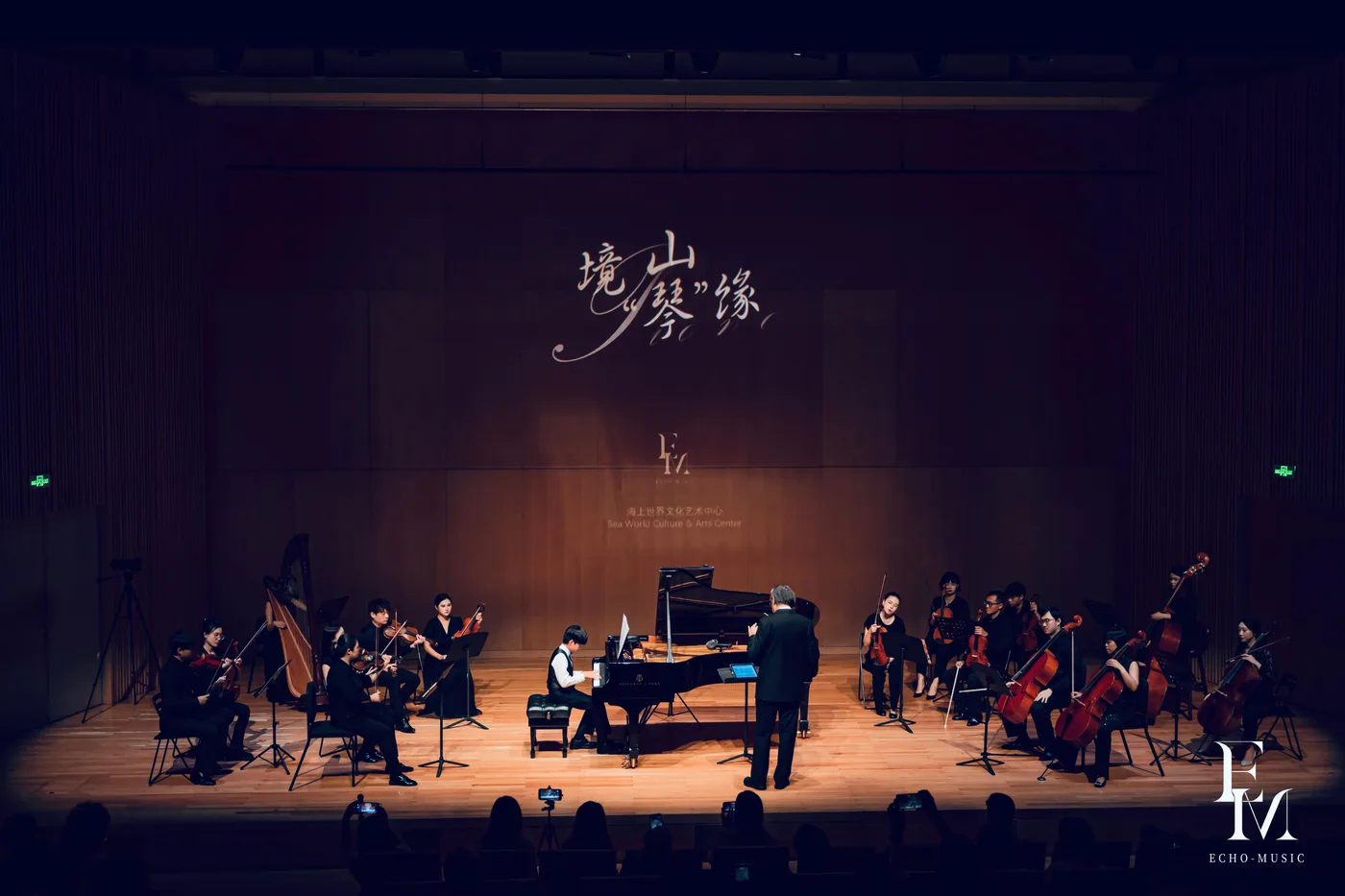
Many children learning piano think that getting the notes right and not making mistakes equals a performance. In fact, “playing the notes” and truly “performing” are two completely different things. A performance is made of two parts — the artistry of interpretation and the craft of execution — and neither can be missing.
Execution: Faithfully Realising the Score
Execution is the solid carrying-out of what the score says: playing every note accurately, counting the beats, holding the right tempo, following the dynamic marks, and making the basic loud–soft changes. This is the hardware base — accurate reading, steady rhythm, sound finger technique. If this isn't in place, with wrong notes, messy beats and muddled dynamics, then no amount of feeling can come through. Many students stay at the execution level: accurate, but dry and lacking impact.
Interpretation: Beyond the Stave, Be the Director and Conductor
Interpretation is emotional and artistic expression, the part that uses imagination and dramatic tension. We can picture ourselves as the music's director: reading a piece is like staging a play, where each voice and each theme is an actor; think about when each “actor” enters, who is the lead, who is the support, and arrange the priorities.
You can also see yourself as the orchestra's conductor: even with only two hands at the piano, imagine a whole orchestra — which phrase goes to a soloist, which is a tutti, which voice should stand out and which should hold back — all designed by you. The same score, in different hands, can have different styles of interpretation; that is exactly music's charm. (See Why Listen to Different Recordings of the Same Piece?)
Interpretation and Execution: Neither Can Be Missing
Execution without interpretation: every note right, yet flat — a mechanical repeat of the score with no story or emotion. Interpretation without execution: chasing overflowing feeling, with messy beats and wrong notes, so even rich imagination can't land. A real performance is built on solid execution, plus carefully designed interpretation — accurate notes and rhythm as the skeleton, imagination and feeling as the flesh, so a piece comes alive.
Small Steps to Build Interpretation
• Get the execution right first: learn the piece securely, steady the rhythm and read all the markings, without rushing to add too much emotion.
• Set your hands down and read with your mind: be the director — what is this passage saying? Which voice is the lead? Picture it first.
• Take the conductor's view, tell apart the voices' roles: in multi-voice music, tell which is the theme to bring out and which is the accompaniment to hold back.
• Add drama, but don't break the rhythmic base: while doing crescendos, diminuendos and emotional swells, still hold a steady tempo; feeling is added on top of steady rhythm.
• Try “inner listening”: before playing, imagine in your mind how the passage should sound, then use your hands to realise it — rather than just taking it as it comes.
In Closing
Playing the right notes is only the start, not the end. Execution is the technical base; interpretation is the artistry. Evolving from “finishing a piece” to “performing a piece” is learning to command technique and imagination together, so music doesn't just sound, but moves people. To go further in interpretation, you are welcome to book a one-to-one piano consultation.
Further Reading
Why Listen to Different Recordings of the Same Piece?
Beyond “Passing the Exam”: Why I Care More That Students Can Truly Play
How to Memorise Piano Music Effectively: Don't Rely on Finger Muscle Memory Alone
Frequently Asked Questions
What's the difference between interpretation and execution?
Execution is faithfully carrying out the score — notes, beats, tempo, dynamics; interpretation is emotional and artistic expression, designing the voices' priorities and drama like a director and conductor. Neither can be missing.
I play accurately — why does it still sound dry?
Usually it stays at the execution level, lacking interpretation. Accurate notes are only the skeleton; imagination and feeling must be designed on top to give the piece story and line, so it moves people.
Where should building interpretation start?
Get execution right first — learn the piece, steady the rhythm, read all the markings; then set your hands down to read with your mind, tell apart the voices, imagine the sound, and finally realise it with your hands.
Will adding emotion affect the rhythm?
Interpretation is added on top of a steady rhythm. While doing crescendos, diminuendos and emotional swells, still hold the tempo — don't speed up or drag just to express feeling.
Ms. Kannaz Kwok
30+ years of piano teaching experience. Holder of internationally recognised qualifications from the Royal Academy of Music and Trinity Laban Conservatoire.