


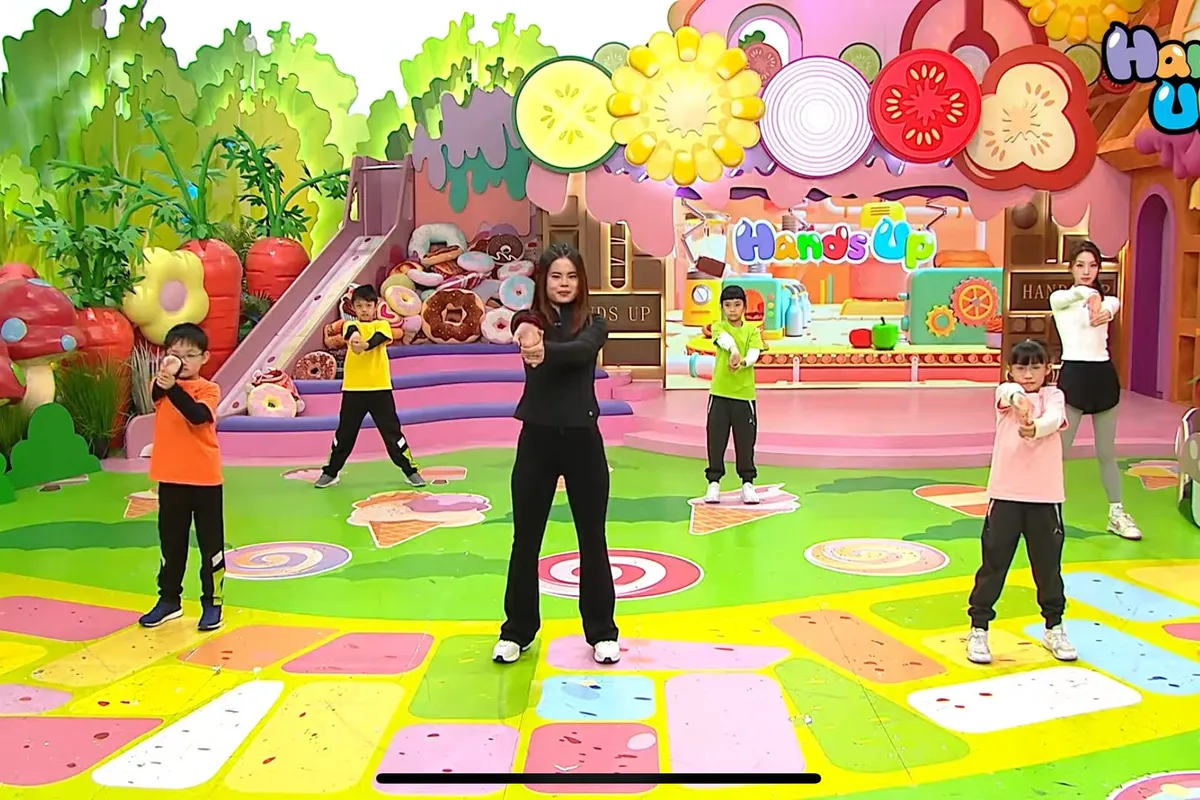
Music is never merely an art to appreciate. The piano's distinctive rhythm, sound and pulse can connect both physical coordination and emotional regulation — achieving the dual effect of "moving the body through music, settling the mind through sound."
Adults under long-term work stress, with stiff bodies and tense emotions, often overlook that body and mind affect each other: without regular relaxation, muscles build up tension; and long-term stress brings on the body's fatigue responses. Piano music is exactly the bridge between the two.
The Benefits of Combining Music With Gentle Movement
Using clearly rhythmic piano pieces as the pulse for stretching, loosening and relaxing the body — adjusting breath and range of motion to the melody — brings real benefits:
• Improving physical coordination while playing, easing the shoulder, neck and wrist strain built up over long practice, and reducing discomfort from playing;
• Music keeps stretching from feeling dull, lifting the motivation to keep moving, while the rhythm promotes circulation and eases fatigue;
• Adjusting breath to the rhythm builds a steady breathing pulse, so hands, body and breath work together and playing feels more at ease;
• Releasing the body's tension through light movement, reducing the discomfort that stiffness brings.
The Benefits of Music for Emotional Regulation
A gentle, richly layered piano sound carries a natural settling quality. Through listening and relaxed playing, it can help with regulating emotion:
• Helping you relax and calm a restless mind, easing the day's built-up anxiety, irritation and low mood;
• Offering a safe emotional outlet, letting you express suppressed, weary, hard-to-name feelings through playing, without forcing them down;
• Raising self-awareness — learning to tell apart your own emotional shifts and building a habit of dialogue with yourself;
• Creating a quiet, relaxed mental space, setting aside the worries of work and life for a while to rest and restore.
(The above are general experiences of music in relaxation and emotional regulation, not medical advice; for ongoing difficulties of body or mind, please seek professional help.)
Want to Ease Body and Mind Gently Through Music?
If you'd like a gentle way to relax body and mind and settle your emotions through piano music, you're welcome to book a one-on-one piano consultation.
A Shared Philosophy Among Three Music Educators
Recently I met two other music teachers and found we share the same philosophy: not wanting students confined to merely playing an instrument, but truly integrating music, physical movement and emotional awareness. In the past, many who learned music focused only on finger technique, overlooking the body's relaxation while playing and not knowing how to channel emotion through music, so the experience became one-sided.
So the three of us hope, through professional exchange, to bring our teaching experience together into a more complete approach: moving the body through music, settling the mind's stress through sound, and — through the two-way link of music and movement — guiding music learners to a fuller sense of feeling and a more rounded awareness of body and mind, not only learning to play but learning to care for their own body and emotions.
In Closing
For busy adults, piano music can be a gentle, lasting way to ease body and mind. When we're willing to relax the body as we play and use music to settle our emotions, learning music is no longer only honing technique, but a process of caring for ourselves and keeping good company with who we are.
Further Reading
Learning Piano as an Adult: More Than the Score, It's Knowing Your True Self
Learning Piano as an Adult: Five Core Truths
Piano Teaching: Don't Overlook the Place of "Emotional Value" in Learning
Frequently Asked Questions
Can piano music really help relax body and mind?
Adjusting breath and movement to a clear rhythm and settling emotion through a gentle sound, many people feel more relaxed in body and calmer in mind. This is a general experience of wellbeing, not a medical effect.
Can I relax through music if I can't play the piano?
Yes. Beyond relaxed playing, simply listening to gentle, layered pieces while attending to your breath and stretching can also help with relaxation and emotional regulation.
How exactly does "combining music with movement" work?
Using clearly rhythmic pieces as a pulse for light stretching and breath adjustment, easing the shoulders, neck and wrists so that body, breath and music work together.
Who is this approach for?
It especially suits adults under long-term stress, with tense bodies, or who want a gentle way to relax body and mind. For ongoing difficulties, it's still best to seek professional help.
Ms. Kannaz Kwok
30+ years of piano teaching experience. Holder of internationally recognised qualifications from the Royal Academy of Music and Trinity Laban Conservatoire.