
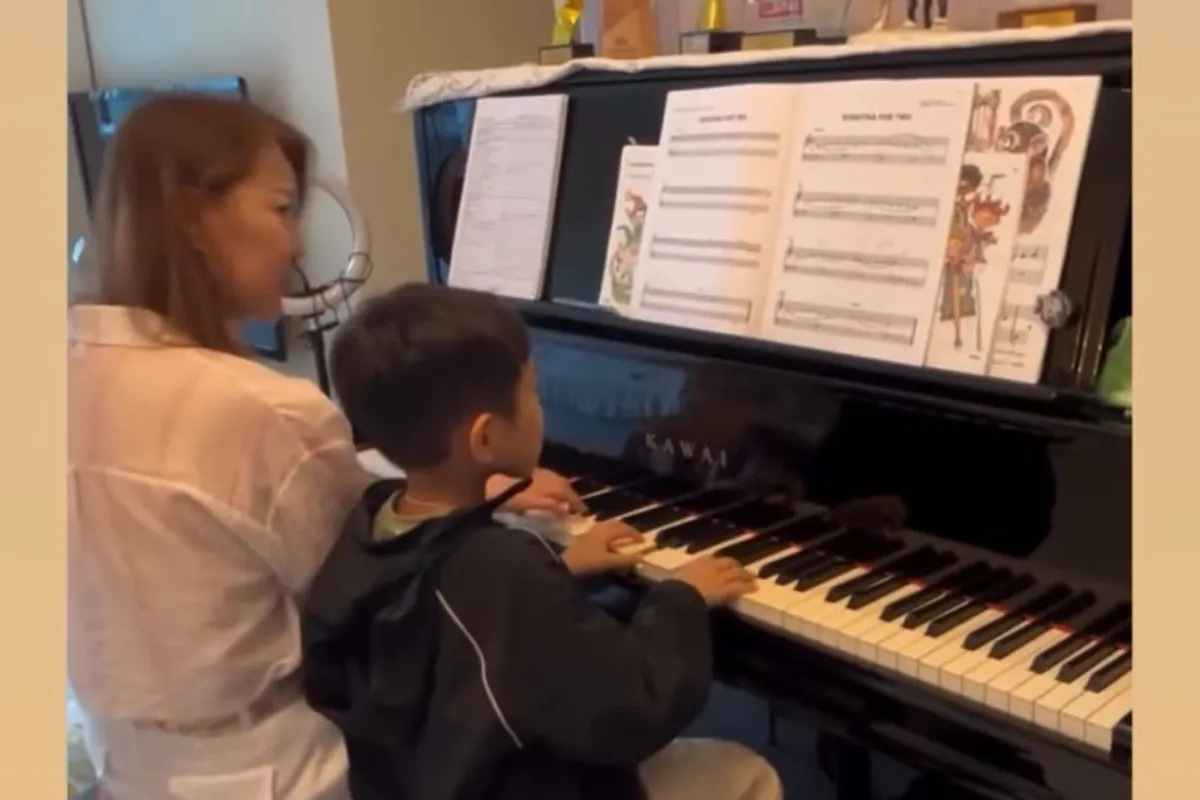
In piano teaching, we are used to focusing on professional matters — accuracy of notes, control of rhythm, playing technique, interpretation. But as my teaching experience has grown, and after spending time with many parents and children, I've come to feel ever more deeply that caring for a child's emotions is an indispensable, core part of the whole music-learning process — what more and more people now call "emotional value".
Learning Piano Is Not Merely Skills Training
Many assume a piano teacher's work is limited to "teaching a child to play". Passing on technique, explaining theory and correcting playing problems are of course the basis of teaching; but learning piano is unlike pure skills training — it calls for long-term persistence and repeated refining. Along the way, a child easily feels frustration, anxiety and weariness from slow progress, sticking points or repeated mistakes.
Younger children are not yet emotionally mature, and when they meet difficulty, what surfaces first is often negative emotion: fearing the lesson, resisting practice, losing their temper at a small slip, doubting themselves. To fixate only on "is it right" and "is it enough" while ignoring the child's emotional state only keeps wearing down their passion for music.
Where the Emotional Value of Good Teaching Shows
The emotional value of good teaching shows in many places: at a sticking point, slowing the pace and guiding step by step without applying excess pressure; when a child feels low, easing the emotion in good time and affirming each small effort; guiding the child to see mistakes rightly, understanding that repeated practice is a necessary part of growth. What we set out to do is not only to teach a student who can play, but to nurture a child who dares to try, enjoys expressing, and loves music.
Take a recent example from my teaching: this Primary One student would shrink back at the first difficulty when starting out. After a period of working together and guiding, the child not only made clear progress in playing, but more importantly regained confidence and became willing to face challenges. At the same time, the parent was no longer troubled by practice issues and could accompany the child's practice with ease and joy. These good changes are the fruit of combining technical teaching with emotional care.
Want to Understand Your Child's Emotional State in Learning?
Every child's emotions and needs on the path of learning piano are different. If you'd like to understand your child's current situation more deeply, you're welcome to book a one-on-one professional piano consultation, and we'll explore a suitable direction together.
A Word to Parents and Fellow Teachers
To parents: please know that in learning piano, a child gains not just a skill, but growth in character. A good emotional state makes learning far more effective; a relaxed, happy atmosphere is what lets a child truly enter the music.
To fellow teachers: may we hold to this together — the essence of music education is to pass on joy and beauty. Technique is the support; emotion is the ground colour. Only by attending to both professional teaching and emotional guidance can a child walk the road of learning with ease, joy and endurance.
Further Reading
When a Child Says "You Don't Need to Help Me" — A Real Case of Teaching to a Child's Nature
More Than "Getting Through the Exam": Why I Care About Real Playing Ability
Frequently Asked Questions
What does "emotional value" mean in learning piano?
It means caring for a child's emotional state in teaching — slowing the pace and guiding step by step at difficulties, easing emotion and affirming effort when a child feels low, and guiding them to see mistakes rightly. It matters as much as technical teaching.
What happens if we value only technique and ignore emotion?
There may be short-term technical progress, but over time it tends to wear down a child's passion for music, turning learning into pressure and even losing their interest.
How can parents foster a good learning mood?
Keep a relaxed, happy atmosphere and affirm each small effort, rather than only watching whether it's right and whether it's enough. A good emotional state makes learning far more effective.
Ms. Kannaz Kwok
30+ years of piano teaching experience. Holder of internationally recognised qualifications from the Royal Academy of Music and Trinity Laban Conservatoire.