
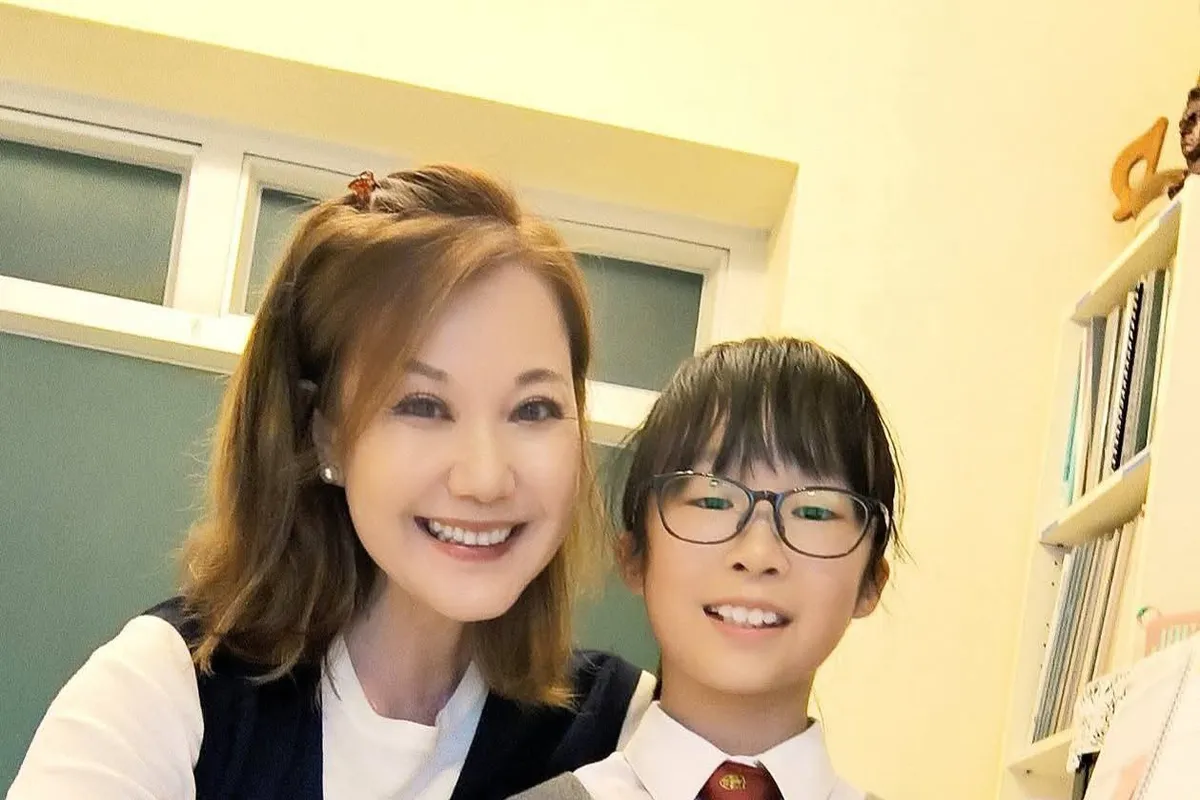
When I talk with parents and students about the core value of learning piano, I always hold that music is never merely playing notes, but a long and gentle self-cultivation that accompanies a child's growth. This growth diary records the steady gains of my student, Primary 5 pupil Tsz-ching, and her most moving change — not one more award, but slowly learning to share her music, with composure, in front of others.
A Solid Foundation, a Reserved Nature
Tsz-ching has had an all-round foundation from the start: a stable sense of rhythm, accurate time, quick reading and a strong ability to absorb new pieces. On the strength of her solid playing, she has been recognised in school and outside music activities, and often serves as an accompanist for school events and the choir.
Yet a steady foundation does not mean a smooth road on stage. She is naturally reserved and shy, and on stage in the past she would be bound by nerves, unable to release her full ability. This is in fact a shared challenge for many capable-but-anxious students — the issue is not technique, but how to be at ease with nerves.
The Past Year's Musical Footprints
Over the past year, Tsz-ching has left solid footprints on stages in and outside school:
• December 2025 | 13th Hong Kong International Performing Arts Festival Music Competition, Hong Kong Regional Preliminary — Gold Award
• February 2026 | 13th Hong Kong International Performing Arts Festival Music Competition, International Grand Final — Certificate of Merit
• April 2026 | 9th Liszt International Open Competition — Gold Prize
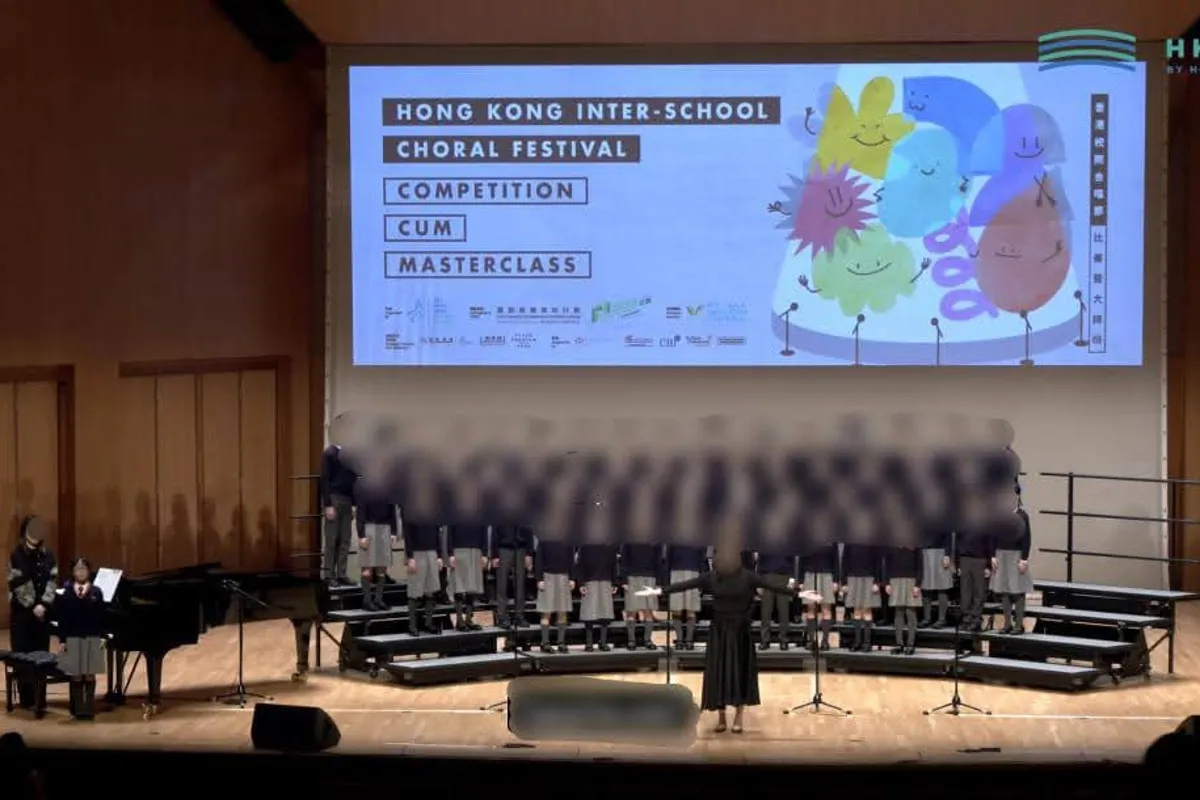
At school, she has long served as accompanist at morning and weekly assemblies, and was chosen as the dedicated pianist for the 2025/26 graduation ceremony; she is also the choir's accompanist, joining the 78th Hong Kong Schools Music Festival, the 2026 Hong Kong Inter-School Choral Festival, and the school anniversary performance.
Yet more than these awards and roles, what is most worth recording is her courage to face her nerves and step onto an unfamiliar stage.
Out of the Comfort Zone: From the Studio to a Street Piano
To help her build courage and break through her inner restraint, with the shared encouragement of her parents and me, she tried a street public piano, playing openly before strangers. This step was not easy — what she faced was no longer a familiar studio, but a stream of passers-by.
But it is exactly this courage and persistence — the willingness to step out of the comfort zone and face the nerves head-on — that is more precious than any trophy. It is worth adding that the piece she played on the street was one she had learned entirely on her own; that initiative and involvement is the most important grounding for long-term learning.
More Precious Than Awards: The Courage to Share Music
The most precious meaning of learning piano is to learn to share the melody within, with others; and through each act of expression and exchange, to gradually grow into a composed, confident self. Awards and results are marks of effort, but they are never the destination of learning piano.
If your child is likewise capable yet prone to stage fright, this is rarely down to a single cause, and there is no need to rush. Every child moves at a different pace; a one-to-one piano consultation can help understand where your child stands and explore a direction for building stage composure that suits them.
In Closing
May every child who learns piano find depth within music, and, through each act of sharing, gradually set down their inner restraint. A parent's company and support, together with a teacher's guidance alongside, are often the very force that lets a child dare to bloom. May every step ahead be taken with composure and steadiness.
Further Reading
Piano Teaching: Don't Overlook the Place of “Emotional Value” in Learning
Beyond “Passing the Exam”: Why I Care More That Students Can Truly Play
The Benefits of Learning Piano for Children: More Than Just a Skill
Frequently Asked Questions
My child is capable but freezes on stage — what can we do?
Stage fright and technique are two different things. Beyond thorough preparation, create low-pressure chances to share (playing for family, or at a public piano) so the child gradually gets used to the feeling of performing for others. Building this mindset varies from child to child and takes time and company.
How does playing a public/street piano help a child?
Performing in an unfamiliar setting helps a child shift attention from “fear of mistakes” to “sharing music,” gradually lowering the fear of the stage. The point is not a flawless performance, but the courage to step out and face the nerves.
Should we push a child into more competitions to build courage?
Competitions are only one route, and the higher pressure may not suit every child. There are many ways to build stage confidence; whether they fit depends on the child's temperament and state, and is worth discussing with the teacher.
Ms. Kannaz Kwok
30+ years of piano teaching experience. Holder of internationally recognised qualifications from the Royal Academy of Music and Trinity Laban Conservatoire.