
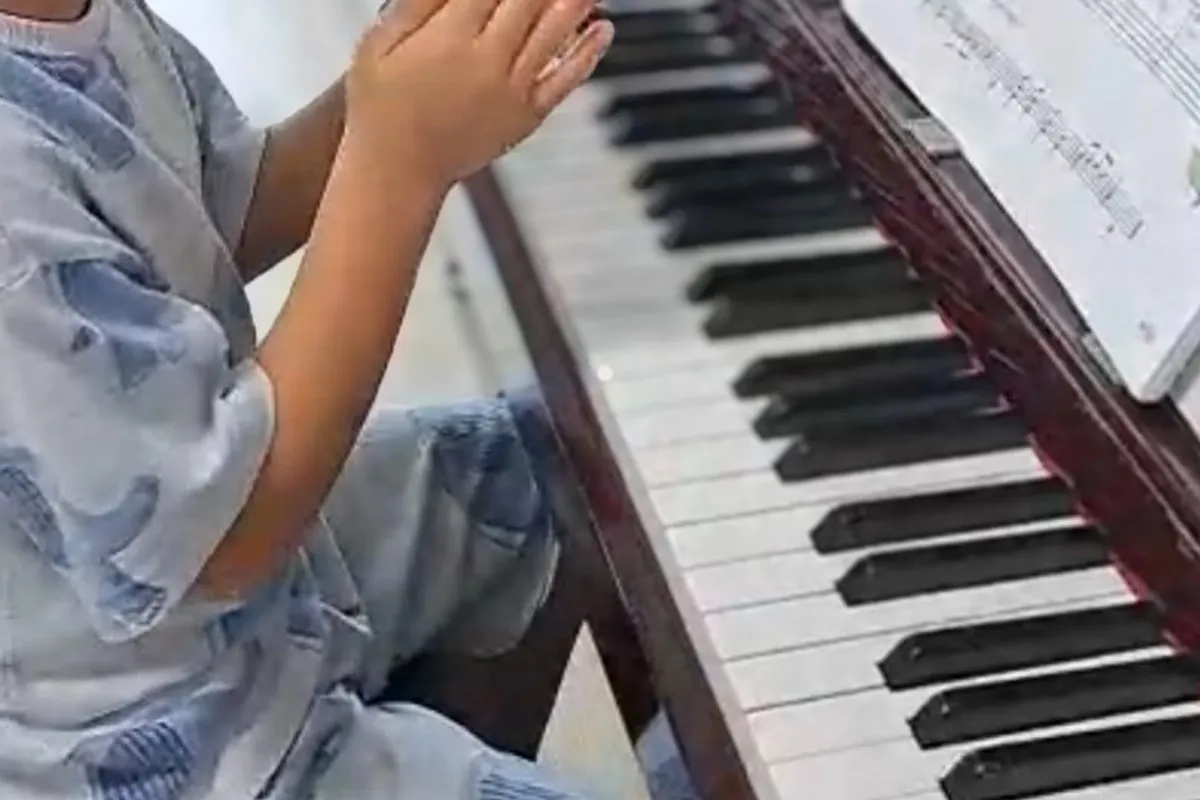
Moving from kindergarten into Primary One is an important watershed in a child's growth and learning. Going from a play-based, gently paced kindergarten life into a primary-school mode with fixed homework and a tight schedule, a child has to readjust to a whole new routine and rhythm — and their ongoing piano learning has to adjust along with that change of pace too.
Over years of teaching, I've seen many families run into all sorts of practice difficulties during this transition. If the learning mode isn't adjusted in time, it's easy for a child to grow resistant to practice and for progress to stall.
Facing the challenges of this transition, the teacher takes on a central guiding role: through ongoing, in-depth communication with parents to understand each child's home routine, attention span, academic pressure and musical foundation, then flexibly adjusting the lesson design and providing clear home-practice guidance — planning a suitable learning mode shoulder to shoulder with parents. Below are the three most common challenges of the Primary One transition, and how the teacher helps.
1. A Big Change in Routine — Replanning Practice Time
In kindergarten, with ample after-school time and light homework, a child has plenty of flexible time to practise. After starting Primary One, the after-school hours fill with copying, revision, dictation and other homework, and many children also take part in other activities — so the free time available each day clearly shrinks.
Once the routine changes, the old practice model no longer fits; keeping the former arrangement easily leaves a child short of time and worn out, making a steady practice habit hard to maintain. The teacher's support includes:
• Discussing the family's routine in detail each lesson — after-school hours, homework load and activities — and together designing a lightened practice schedule that suits the home;
• Tailoring a home-practice list to the child's age and attention span, favouring "short, steady daily practice" — consistent, small amounts of practice are often more effective than infrequent, long sessions;
• Around exam and dictation weeks, adjusting that week's home tasks in advance — keeping the fundamentals while easing the overall load.
2. Repertoire Gets Harder — Balancing Fundamentals and Pieces
Kindergarten piano courses centre on short, simple pieces and emphasise playing a complete melody, with relatively light work on theory, rhythm and sight-reading; under easy repertoire, gaps in the fundamentals don't show up clearly.
In Primary One, the key signatures, time signatures and harmonic structures of pieces gradually grow more complex, raising the demands on reading speed and rhythmic steadiness. Practising only the pieces would limit a child's long-term reading and independent-playing ability. The teacher's support includes:
• Around the start of Primary One, fully sharing the learning priorities of this transition with parents — explaining how sight-reading, scales and rhythm training help in the long run — and building a balanced, well-rounded view of learning together;
• Adjusting lesson content to each student's real level in reading, rhythm and theory, balancing the proportion of repertoire and fundamentals, and designing focused training for the areas that need strengthening.
Want to Plan a Smooth Transition for Your Child?
Every child's routine, attention span and musical foundation is different. If you'd like to first understand your child's current situation and then plan a suitable transition, you're welcome to book a one-on-one piano consultation.
3. More Academic Pressure — Stage Goals to Keep the Spark Alive
In kindergarten, children are easily drawn in by melody and will play out of pure interest. After Primary One, a child thinks more maturely while facing ongoing academic pressure; if practice becomes only repetitive drilling with no chance to perform or receive positive feedback, the motivation to keep going easily fades.
Without clear stage goals, practice turns monotonous and a child struggles to feel any sense of achievement. The teacher's support includes:
• Regularly syncing the child's overall progress with parents and, considering personality and playing level, discussing yearly musical goals together — such as a small in-class performance, a suitably graded exam, or a light competition;
• Building a regular music-sharing segment into lessons, reserving time each lesson for the child to play a well-prepared piece, and sharing simple ways to encourage so parents can foster a positive practice atmosphere at home;
• Recording the child's growth in sight-reading, technique and theory at each stage, and reviewing progress with parents regularly, so the child clearly sees their own results and keeps their love of music.
In Closing
From kindergarten to Primary One, the heart of adjusting piano learning lies in a close partnership between teacher and parents, flexibly adapting the plan to the child's routine and changing abilities. The whole adaptation has two priorities: first, keeping detailed, full communication with parents to grasp the child's routine, academic pressure and musical situation; second, adjusting lesson content and home-practice guidance to each student's level over time. With the teacher's individualised planning and the parents' daily follow-through, the three common transition challenges — time planning, fundamentals, and learning goals — can be handled well, helping a child cross the threshold smoothly so piano learning and schoolwork run in parallel and the love of playing lasts.
Further Reading
Why Do Children Resist Practice More as They Grow? The 8 Root Causes
Is Age 3 Too Early for Piano? The Real Considerations in Teaching a 4-Year-Old
Planning Summer Practice: Starting From Communication and Assessment
Frequently Asked Questions
After Primary One, my child clearly has less time to practise — what can we do?
Review the after-school routine, homework load and activities with the teacher, and design a lightened practice schedule using "short, steady daily practice". Consistent small amounts are often more effective than infrequent long sessions.
With more homework, should we pause piano lessons?
Not necessarily. Rather than stopping entirely, adjust the content during high-pressure weeks — keep the fundamentals and ease the overall load. The actual arrangement varies with the child's situation.
Pieces are harder in Primary One — more repertoire or more fundamentals?
They need balancing. As pieces get harder, fundamentals like sight-reading, scales and rhythm directly affect reading and playing; the teacher adjusts the ratio of repertoire to fundamentals to the child's real level.
My child has lost interest in practice since Primary One — how do we keep motivation?
Clear stage goals help — a small in-class performance, a suitably graded exam, or a light competition — along with a positive sharing-and-encouragement atmosphere in lessons and at home, so the child sees their own progress.
Ms. Kannaz Kwok
30+ years of piano teaching experience. Holder of internationally recognised qualifications from the Royal Academy of Music and Trinity Laban Conservatoire.