
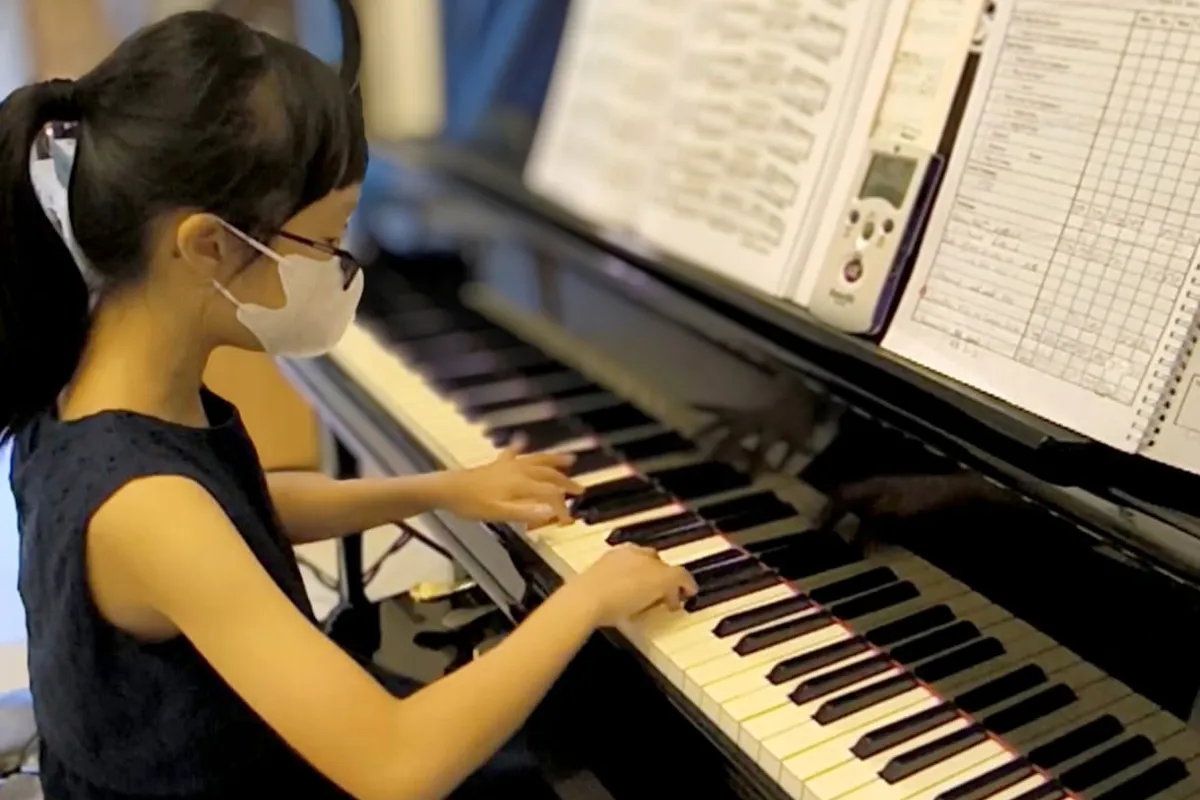
When a parent decides to let a child begin the piano, a string of questions usually follows: what should someone so young learn? Do we need to buy a piano? How can I help? In truth, at the early-childhood stage, what matters is not “how many pieces played” or “what grade reached,” but building a sense of rhythm, the ability to listen, and that first interest in and closeness to music. The experience of this period often shapes whether a child's later relationship with music is one of “love” or “getting through it.” From a child-development angle, this article shares what suits the beginner stage and how parents can prepare and support, so a child forms a natural, lasting bond with music.
At the Beginner Stage, It's Not Only About “Playing”
A young child's finger muscles, attention span and comprehension are still developing, so demanding formal reading and technique too early may not suit them. What's more worth cultivating at this stage is a sense of rhythm, listening, curiosity about sound, and the joy of moving to music.
These seemingly “not-playing” contents are in fact an important foundation for later formal study. When a child first builds sensitivity to rhythm and sound, meeting reading and technique afterwards feels more natural — and more interesting.
Interest and Habit Matter More Than Progress
The most precious thing at this stage is for a child to feel that “music is fun.” Rather than chasing progress, first protect a child's interest and curiosity; short, happy, regular contact often builds long-term motivation better than long drilling.
Every child develops at a different pace — there is no standard starting line. Giving a child a little more room to engage at their own pace is far more valuable than rushing to “keep up.”
How Parents Can Support
A parent doesn't need to know much about music to create a positive musical environment: play music of different styles at home, clap or hum along with the child, and make practice a happy time together rather than a task.
At the same time, try not to place adult expectations and comparisons on a child; let them engage at their own pace. A parent's company and positive attitude are the most important support at the beginner stage. If you'd like to understand whether your child is ready to start, or how to choose a suitable starting point, a one-to-one piano consultation can explore it together.
Do We Need to Buy a Piano? When to Find a Teacher?
At the very start, there may be no need to buy an acoustic piano straight away; decide by the child's level of involvement and the family's situation. If starting on a digital piano, look out for whether it has enough keys and weighted action. As for when to begin formal one-to-one lessons and how to choose a first teacher, these vary from child to child and can be assessed together with a teacher.
Further Reading
Is Age 3 Too Early for Piano? The Real Considerations of Teaching Four-Year-Olds
How to Choose Your Child's First Piano Teacher? 7 Questions Parents Must Ask
The Benefits of Learning Piano for Children: More Than Just a Skill
Frequently Asked Questions
What is the best age to start learning piano?
There's no absolute standard. A suitable start depends on a child's attention span, hand development and interest, not a single age. The key is finding a way that matches the child, rather than simply chasing “the earlier the better.”
Must the beginner stage formally teach reading and technique?
Not necessarily. Demanding formal reading and technique too early may not suit a young child; building a sense of rhythm, listening and interest first lays a foundation for later formal study.
If a parent doesn't know music, how can they help a child begin?
You can. Playing music at home, clapping and humming together, and making contact with music a happy time together are all good support — no professional music background needed.
Do we need an acoustic piano at the beginner stage?
Not necessarily right away. Decide by the child's involvement and the family's situation; if starting on a digital piano, look out for the number of keys and weighted action. See the article on choosing a piano for related considerations.
Ms. Kannaz Kwok
30+ years of piano teaching experience. Holder of internationally recognised qualifications from the Royal Academy of Music and Trinity Laban Conservatoire.