
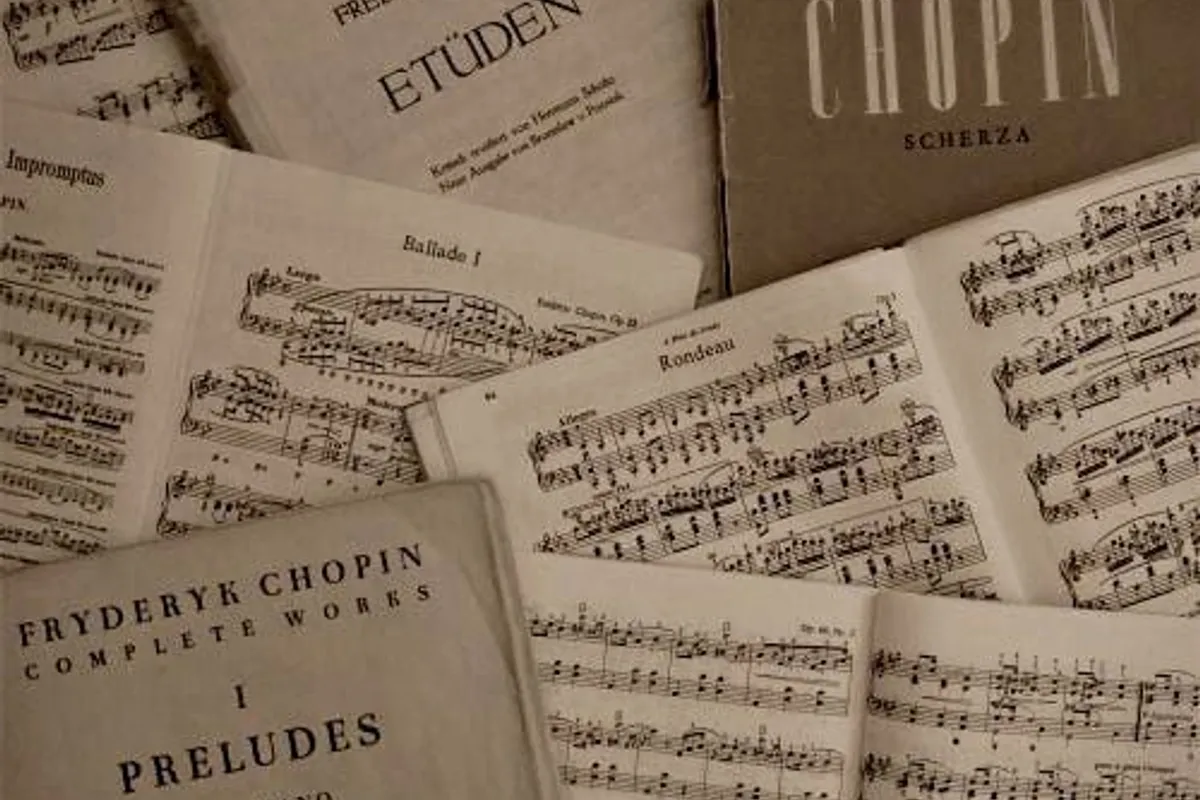
Many students practise the same piece over and over, yet often feel that “I've practised for ages, but the playing still lacks life.” The problem usually is not too little practice, but practice that stops at memorising notes and overlooks the layers of interpretation. Practising is never mechanical repetition; a clear checklist can guide a student from the macro level of style down to the micro level of voicing. This article sets out a systematic self-check for practising a piece — from the three foundations of tempo, character and tone colour, through phrase breathing, the lines of each hand, voice balance and pedalling — to help students build a clear direction and make every minute of practice count.
Before You Play: Set Tempo, Character and Tone Colour Together
Before handling any performance detail, first establish the core mood of the whole piece. Tempo, character and tone colour are interlocked and mutually constraining — none can be left out.
• Tempo: tempo is the foundation of a piece's character. A lyrical slow movement taken too fast, or a light dance dragged and heavy, pulls the mood away from its intent. In practice, distinguish a “slow refining” tempo from the “stage performance” tempo, and mark the accelerandos, ritardandos and pauses in the score to keep the pulse steady.
• Character: every piece has its own emotional core — tender and lyrical, bright and lively, solemn and weighty, or inward and brooding. A work's period and style directly decide the fitting tempo and tone, so analyse the background first and capture the core emotion, rather than playing everything with a single approach.
• Tone Colour: tone colour is the medium that conveys emotion. Works of different eras and genres ask for different tone: the Classical period calls for clarity and cleanliness, the Romantic for roundness and warmth, small dances for lightness and brightness. The logic of the three: let character lead, choose a matching tempo, then release the emotion fully through the corresponding touch and tone.
Structure and the Right-Hand Melody: Phrasing, Breathing, Line
Once the three foundations are set, do not rush into the notes; first analyse the structure of the whole piece: divide it into sections and phrases, and mark the breathing points where each phrase ends. All later dynamics and articulation should rest on the breathing logic of the phrase, so the playing does not become cluttered and layerless.
The melody is the most recognisable, leading voice. After phrasing, polish the right-hand melody from three angles: Shaping — follow the rise and fall of the pitch to give a dynamic contour, pushing gently to a phrase's peak and easing at its close, mirroring the flow of the singing voice; Articulation — check each note against the score, clearly distinguishing legato, staccato and accents, and plan different touches; Dynamic — plan the light and heavy by phrase, marking crescendos and diminuendos, avoiding a single flat volume throughout.
The Left Hand, Voice Balance and the Pedal
After the right hand, handle the left-hand voice independently, again through shape, articulation and dynamic — never treat the left hand as mere mechanical accompaniment. Whether a walking bass, broken chords or block chords, the left hand has its own line and should follow the piece's emotion with its own rise and fall.
Once each hand is refined, use your ear to balance the two voices. Balance depends on the thickness of the texture: a single-line, spare texture asks for lightness and clarity; passages with layered voices can be thickened somewhat, but the leading line must stay clear. Let the ear be the standard throughout — avoid equal volume in both hands muddying the voices, or an over-strong accompaniment covering the melody.
The pedal is the core tool for shaping texture, blending layers and amplifying emotion; it is worth isolating passages to practise it on its own: change cleanly at chord changes and phrase breaths to prevent sound piling up; press deeper on long lyrical lines to blend the tone, and lighter (or less often) on quick short phrases to keep the sound clean.
• Professional note (advanced pieces): difficult works do not always keep the melody in the right hand; many passages move the main line to the left-hand bass or an inner voice. When practising such pieces, re-analyse the score carefully, tracing each voice line by line, and never assume the right hand is always the lead while missing a hidden melody in the left.
The Short Version: A Quick Practice Self-Check
Whether it's a foundational piece of a few weeks or a higher-grade exam piece that takes longer to polish, run through this order before practising to locate blind spots quickly:
• Set the three foundations: character → matching tempo → corresponding tone colour, coordinated as one.
• Analyse the whole structure and phrase it, marking each phrase's breathing point.
• Refine the right-hand melody alone: shape the line, the articulation and the dynamic layers.
• Work out the left-hand voice independently: line, articulation and base dynamics (in advanced pieces, watch for a hidden melody in the left hand).
• Balance the voices hands-together: use the ear to gauge texture and which voice leads, and adjust the volume ratio.
• Practise the pedal on its own, planning timing and depth to support the overall tone and emotion.
• Play the whole piece, then focus on passages with voice imbalance, monotone colour, or phrases lacking breath.
If you would like a clearer sense of whether your child's current practice has direction, a one-to-one piano consultation can help review practice habits together and find the right points to improve.
In Closing
A good self-check is not about making practice tedious, but about knowing what you are working on before you sit down. From setting the style to the details of the pedal, each layer points to a concrete goal you can observe and improve. When practice has a clear framework, the frustration of “practising for ages with no progress” tends to ease.
Further Reading
How to Practise the Piano Effectively: Practising Right Matters More Than Practising Long
Able to Play Grade 6 Pieces Yet Wanting to Quit? Muscle Memory vs a Real Foundation
Frequently Asked Questions
How is this checklist different from “effective practice”?
“Effective practice” is about the method and mindset of practising (slow practice, hands separate, sectioning); this checklist is the framework of what to check — from tempo, character and tone through to voice balance and pedalling, listing the aspects a performance needs to address. The two work together.
Why set tempo, character and tone before playing?
These three decide the mood and direction of the whole piece. Diving straight into the notes tends to overlook the work's emotion and style, making later correction far harder. Setting them first gives practice a clear goal.
Do beginners need such a detailed checklist?
Beginners can start with the first half (tempo, character, phrasing and the right-hand melody), then gradually add the left-hand line, voice balance and pedalling as they progress. The checklist is meant to be step-by-step, not something to master all at once.
Why practise the pedal separately?
The pedal involves real-time listening and foot coordination, and is easily glossed over when mixed in with familiar passages. Isolating it, focusing on the timing and depth of each change, makes the training far more efficient.
Ms. Kannaz Kwok
30+ years of piano teaching experience. Holder of internationally recognised qualifications from the Royal Academy of Music and Trinity Laban Conservatoire.